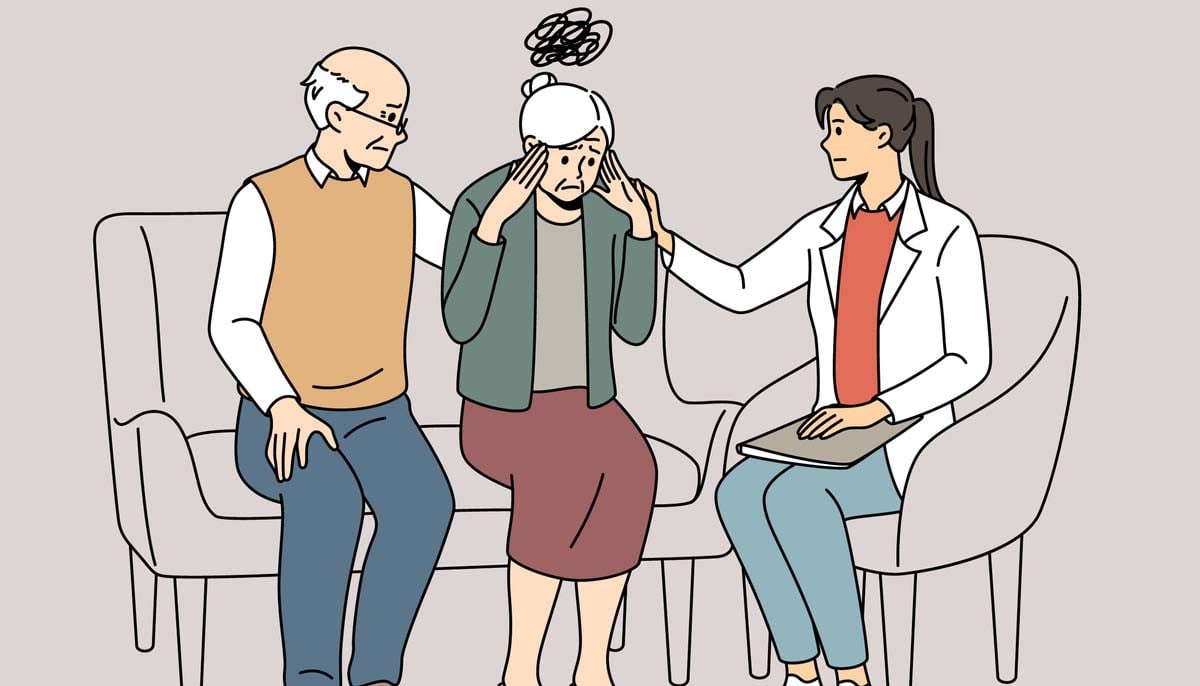
It is estimated that around 982,000 people in Britain are living with dementia, and by 2040 this is estimated to rise to 1.4 million.
The global situation is also expected to deteriorate significantly World Health Organisation (WHO) predicts a tripling of cases by 2050.
NHS guidelines state that stress, fatigue, certain diseases and medications can all affect memory.
However, if forgetfulness is more common, especially in people over 65, it is advisable to consult a GP about possible early signs of dementia.
Dementia is not a disease, but rather a group of symptoms that arise from brain damage caused by various diseases, such as Alzheimer’s disease.
These symptoms can vary depending on the part of the brain affected. Although different types of dementia affect individuals in unique ways, and everyone with dementia will experience symptoms differently, the NHS has identified a number of common early symptoms that should prompt a visit to a GP. These are:
- mood swings
- being confused about time and place
- frequent memory loss
- difficulty following a conversation or finding the right word
- struggling with familiar daily tasks, such as being confused about the correct change while shopping
- The symptoms are often mild at first and can only worsen very gradually. Symptoms of dementia may not become noticeable to the patient, or to their family and friends, for some time.
If you experience any of these symptoms, it is important that you visit a doctor or your healthcare provider for an accurate diagnosis.