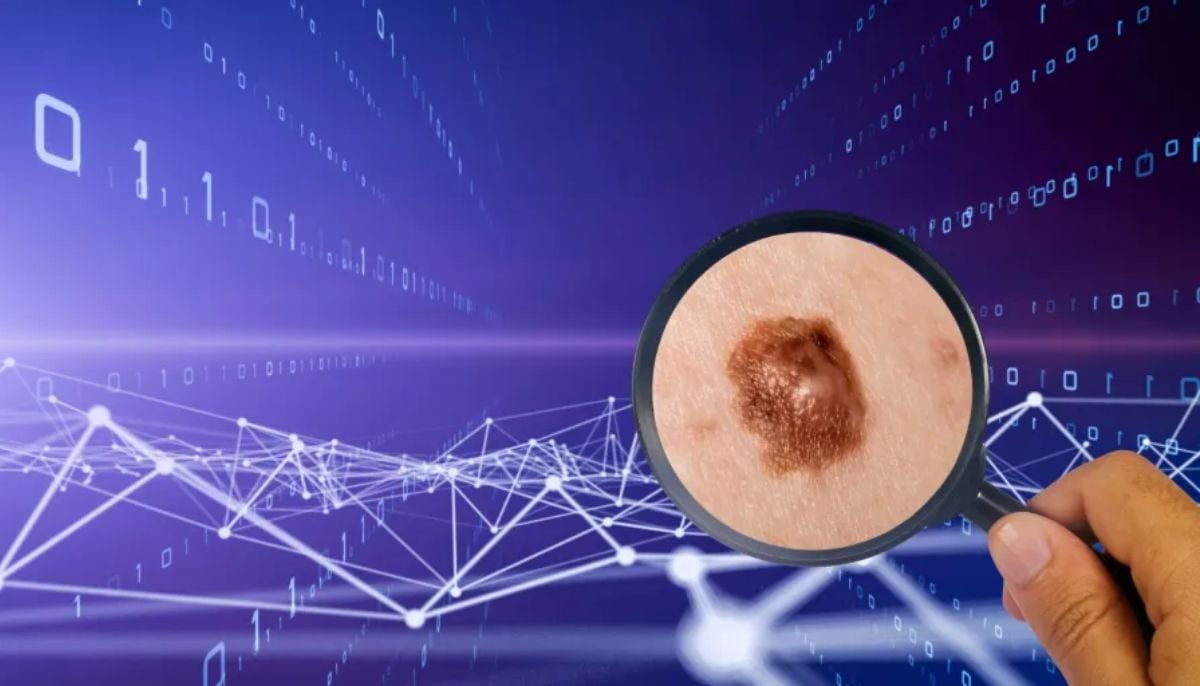
According to a recent study, there has been a significant shift towards precision medicine, where AI is used not only to diagnose a disease someone already has, but also to predict who is most likely to develop it in the future. Researchers from the University of Gothenburg analyzed health data from approximately 6 million Swedish adults. Unlike traditional screening, which mainly looks at age and gender, this AI model was fed with big data, including previous medical diagnoses, detailed medication history and sociodemographic data.
The most advanced model correctly identified future melanoma patients 73% of the time. By comparison, models using only age and gender were only 64% accurate. Researchers were able to identify very small groups where the risk of developing melanoma within five years was as much as 33%. Because melanoma can spread quickly once it moves past the skin, early detection is the most effective way to reduce the mortality rate.
“Our research shows that data already available within healthcare systems can be used to identify individuals at higher risk of melanoma,” said Martin Gillstedt, a doctoral student at the University of Gothenburg.
Because universal screening is both expensive and time-consuming, healthcare systems could use this AI to send targeted screening invitations to individuals at highest risk. While the results are promising, the researchers noted that policy changes and further clinical validation are needed before this AI risk score becomes a standard part of your medical record.
“Our analyzes suggest that selective screening of small risk groups could lead to both more accurate monitoring and more efficient use of healthcare resources,” said Sam Polesie, lead author of the study.
The study showed that AI models trained on large amounts of registry data could become crucial for more risk-oriented screening and future strategies. Nevertheless, researchers emphasize that further research and policy decisions are needed before the method can be introduced into mainstream healthcare.