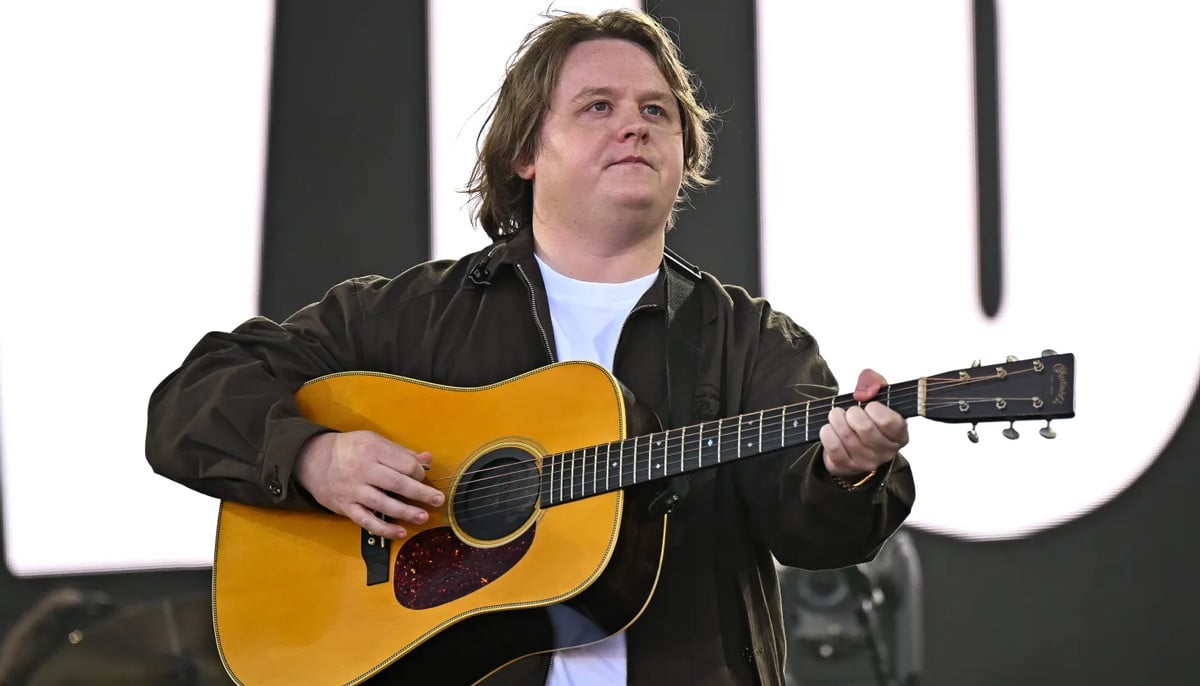
Lewis Capaldi believes his fans “deserve better” than him just “chasing” hits.
The Someone you loved hitmaker has been inspired by his friends Sam Fender and Fontaines DC frontman Grian Chatten to really “care” about his work in the studio and think more consciously about his output.
He told it Billboard Great Britain, “[Sam and Grian] talking about music as art – and I know this sounds damn mental coming from someone who is also a musician – but they really care about everything they put out.
Lewis continued: “It’s so inspiring. What they taught me is that I really have to take my time [in the studio]and you really start to worry about what I say and how the songs sound…
“Around the second album, I got so hyper-focused on chasing a hit that I was just doing stuff and handing songs over to producers. I never want to call anything again. The people who listen to my music deserve better; I deserve better,” he added.
Lewis feels ‘happy and secure’ enough to admit that he is currently ‘not sure’ what the future looks like.
For his next album, however, he would like to collaborate with different people and be involved in “every aspect of the production,” and “not compromise” on the recording process.
He said: “I feel the most confused and lost I’ve ever been in my career. But it’s a really good thing; I feel like I have absolutely no idea what the hell I’m doing.”
After struggling with burnout and Tourette’s syndrome, Lewis has received support from the likes of David Gray and Sir Elton John, and is keen to ‘pay it forward’ to other artists going through difficulties, reaching out to Lola Young as she struggled with her growing profile last year.
He said: “Lola is amazing, she’s incredible. I sent her a big message saying, ‘Look, you don’t have to respond to this, but I know how you feel.'”
“When I left, a lot of people reached out to me; I didn’t call everyone back, but it meant a lot. Everyone talks about the ‘duty of care’ required of labels, but I think as artists we also have a responsibility to share that support,” said Lewis Capaldi, explaining the importance of artists supporting each other in difficult times.