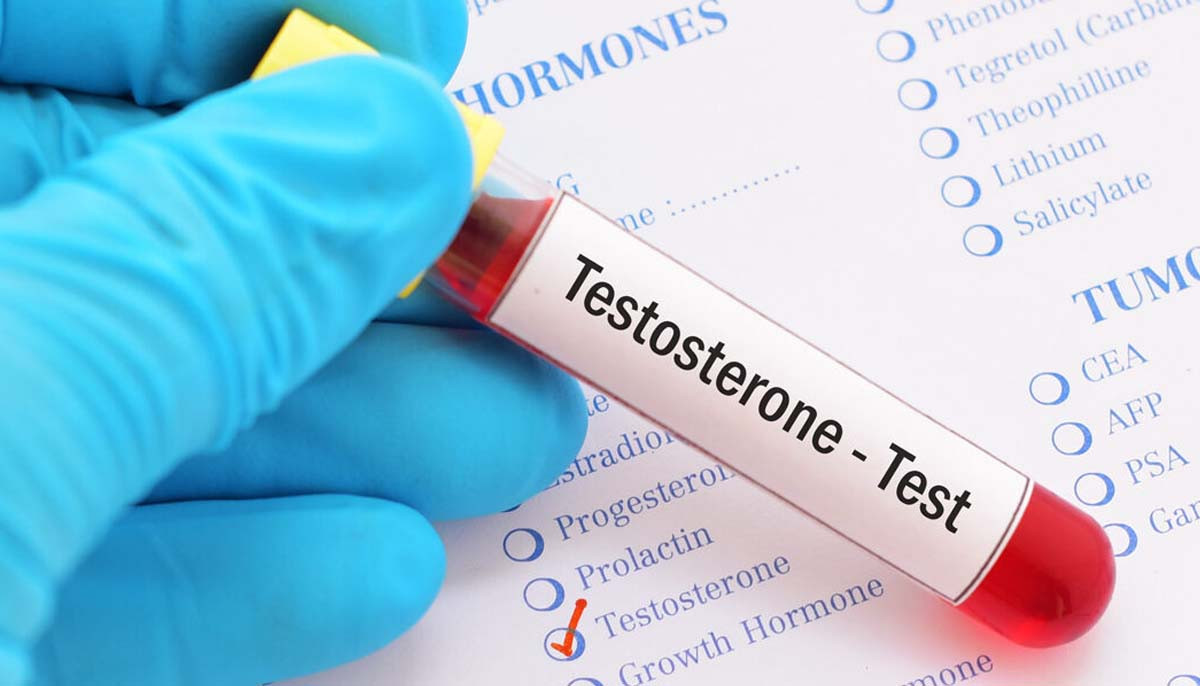
For more than 80 years, men have been told that testosterone helps the growth of prostate cancer.
But over the past twenty years, a very different perspective has emerged.
The prostate is a small gland located below the bladder. Its job is to produce the fluid that transports the sperm, and for that it relies heavily on testosterone.
All prostate cells, whether healthy or cancerous, contain androgen receptors. These are the molecular switches that initiate the action of testosterone in the cells. When testosterone binds to these receptors, it helps the prostate grow and function normally.
This close hormonal control is important, but it also forms the basis for one of the most enduring assumptions in men’s health: because testosterone stimulates normal prostate growth, it must also stimulate cancer growth.
Nobel Prize-winning research by Charles Huggins in the 1940s confirmed this belief through his research that prostate cancer shrank when testosterone levels were lowered and accelerated when testosterone was added via injections.
Lowering testosterone levels, known as androgen deprivation therapy, became the standard treatment for advanced prostate cancer. That is still the case. Removing testosterone often shrinks tumors, slows disease progression and improves survival.
Even more surprising, doctors are testing a new approach in certain men with prostate cancer called bipolar androgen therapy, which switches testosterone levels between very low and very high.
The technique uses testosterone itself as a weapon to confuse and kill cancer cells that have learned to survive without it.
This is one of the most striking reversals in modern cancer treatment. Testosterone has gone from a suspected villain feared to cause prostate cancer to a possible hormone ally.