World AIDS Day is celebrated every year on December 1 by the global scientific community, physicians, families and volunteers to commemorate the victims of the HIV/AIDS epidemic and promote awareness efforts to eradicate it forever.
AIDS is spread through close sexual contact, infected blood, or sometimes through respiratory transmission.
Despite major scientific advances in recent times to prevent its spread, amid global austerity, this led to warnings from global health experts that the epidemic could lead to a resurgence of the epidemic in regions bearing the heaviest burden.
Since the start of the HIV/AIDS epidemic, approximately 44.1 million people worldwide have died from related diseases, and an estimated 91.4 million people have been diagnosed with HIV (human immunodeficiency virus), WHO reports.
According to Euro News, according to the latest figures, an estimated 40.8 million people worldwide are living with HIV, claiming approximately 630,000 lives in 2024.
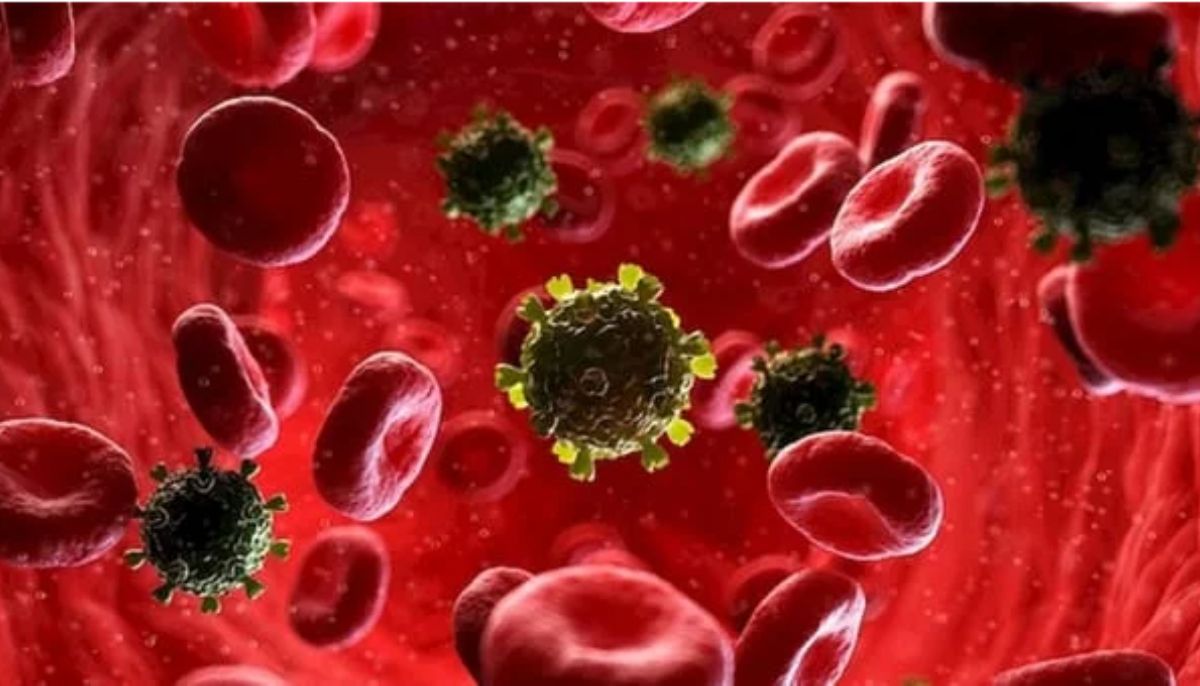
World AIDS Day 2025 reflects four major milestones over the past forty years in the fight against the most devastating epidemic in human history:
The first European surveillance was issued in 1984 and an HIV test was launched in Britain a year later.
After years of research, scientists finally learned of a highly active antiretroviral therapy known as HAART; a triple drug regimen emerged as a highly effective therapy for AIDS.
It helped restore the immune system by suppressing the virus and delaying the onset of AIDS in people with HIV, and was considered a milestone in the transformation of an HIV diagnosis from a fatal diagnosis to a treatable, chronic condition.
As a result, death rates fell in countries where HAART was accessible, but at the same time the number of HIV cases rose due to more testing and diagnoses.
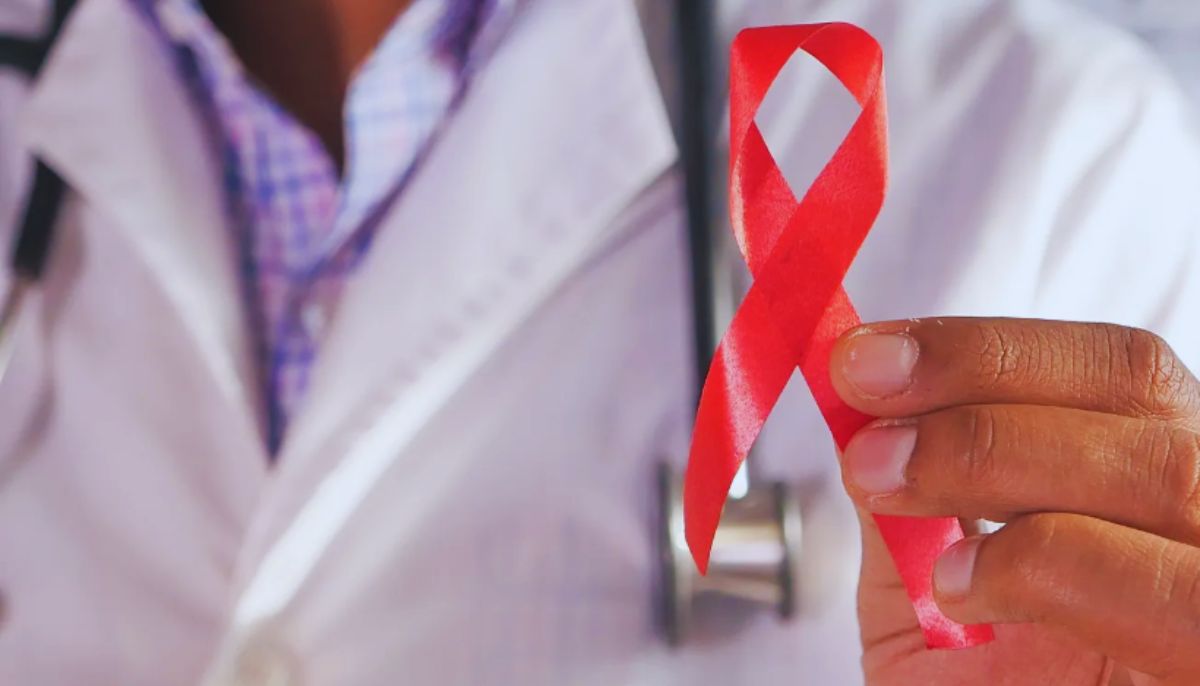
In 2003, PEPFAR was introduced, the largest global health program to combat a single disease in history.
The President’s Emergency Plan for AIDS Relief, PEPFAR, was created with an initial funding of $15 billion over five years to combat and curb HIV/AIDS in the areas with the highest prevalence rates.
PEPFAR has saved more than 26 million lives in 50 countries to date.
In addition, the first daily pill to reduce HIV risk, PrEP, was introduced for people at higher risk of infection, such as transgender people and sex workers who are most vulnerable to the virus.
Research shows it can reduce HIV risk by about 99% and injection risk by about 74%.
To combat HIV/AIDS, UNAIDS introduced a program entitled ’90-90-90′ treatment for all.
The UN programme, introduced in 2014, has set a target that by 2020, 90 percent of HIV patients worldwide should become aware of their HIV status with the help of antiretroviral treatment.
The UN General Assembly also adopted these goals and stated that achieving these goals would mean an end to the epidemic by 2030.
However, according to UNAIDS data, with the exception of Sweden, which managed to achieve these targets in 2016, only 19 countries worldwide have fully or partially achieved the 90-90-90 targets.
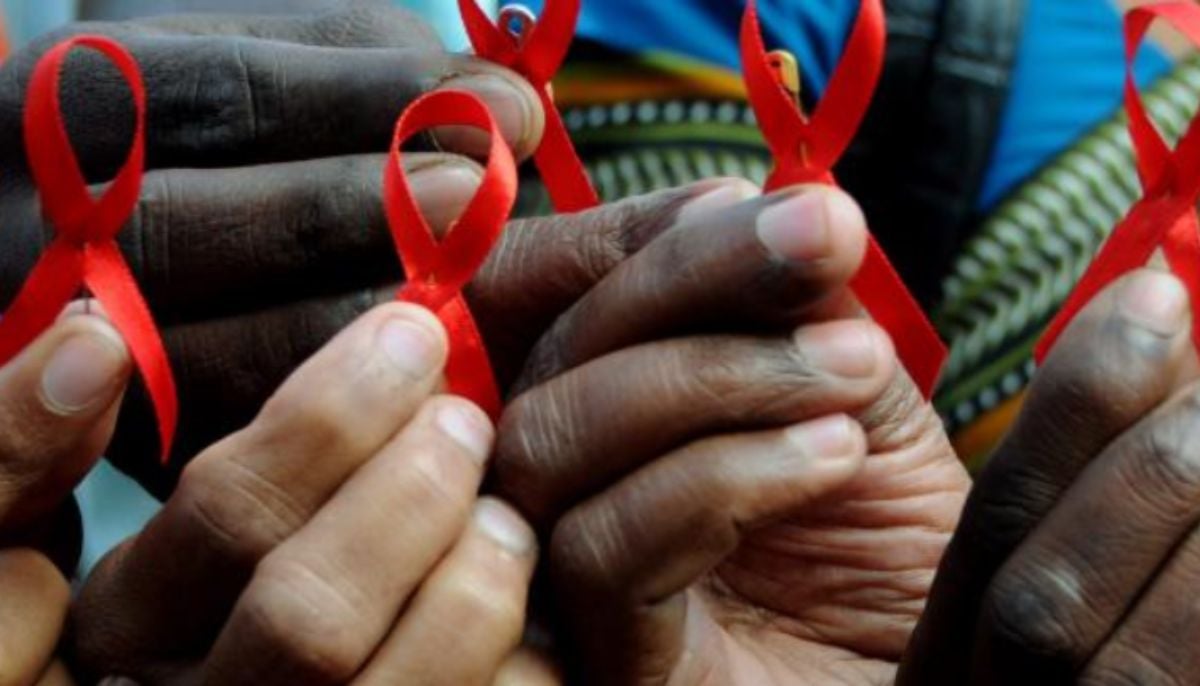
Amid global healthcare cuts to curb HIV/AIDS, global health experts have warned that a shortage of resources could disrupt years of fighting the epidemic, leading to other long-term health crises.
Young adults are becoming more vulnerable: last year, 45% of all new HIV infections worldwide were diagnosed among women of all ages.
Moreover, the African continent is the hardest hit, accounting for more than two-thirds of all cases.
In 2024, 63% of new HIV infections in Africa were diagnosed among women, while in all other regions approximately 73% of cases were reported among men.
The alarming scenario shows that 4,000 adolescent girls and young women between the ages of 15 and 24 would become infected with HIV by 2024; 3,300 of these infections were reported in sub-Saharan Africa.
The situation suggests that authorities must act quickly to overcome the disruption and transform the response to AIDS as they face a global burden of 40.8 million HIV cases, which claimed around 630,000 lives in 2024 alone.