Parkinson’s disease is a long-term disease that affects the brain and mainly causes movement problems, which develop slowly over time.
The first signs are quite east to miss and these early symptoms can be different for each person, but catching them early can help doctors detect the problem earlier and begin helpful treatments.
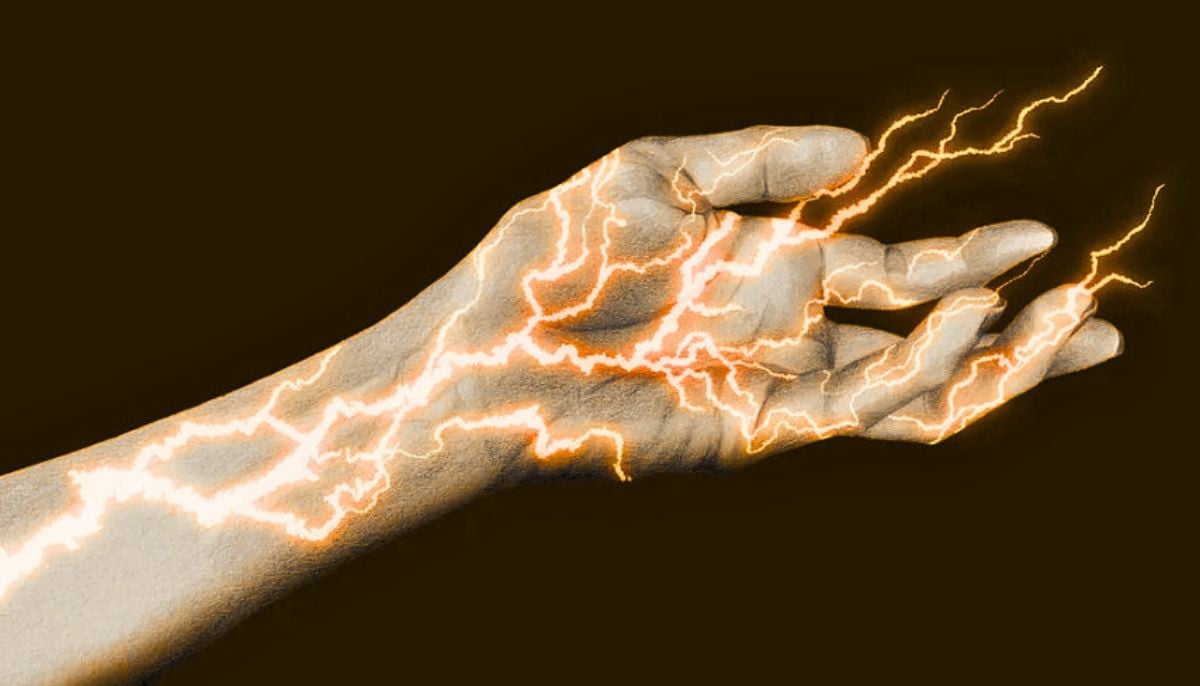
One of the first signs that many people notice is a slight tremor or tremor, usually in the hands or fingers. This shaking often happens when the hand is resting. It may appear as if the person is rolling a small object between their thumb and finger, which is sometimes called a ‘pill-rolling’ tremor. This is often the reason people go to the doctor.
Another early sign is slower movement, medically referred to as bradykinesia. Simple tasks like buttoning a shirt, walking, or brushing your teeth may take longer or feel more difficult.
Some people notice that their face looks less expressive or that they blink less. These changes can occur in many parts of the body.
Stiffness in the muscles, called stiffness, is also common. It can make arms or legs feel tight and harder to move. This stiffness can be painful and make walking or other daily tasks more difficult. Sometimes the stiffness isn’t even noticed until someone else tries to move their arm or leg.
Changes in posture and balance can also be an early sign. A person may start to lean forward when walking or standing, and their balance may become weaker, leading to more falls.
Some people stop performing automatic movements without realizing it. They may blink less, stop smiling as much, or wave their arms when they walk. These little things are often overlooked but can be early signs of Parkinson’s.
There are also symptoms that do not involve movement, such as changes in speech and handwriting and sleep problems.
These different symptoms may seem unrelated, but together they can be a warning sign that Parkinson’s disease is starting.
If you or someone you know notices these changes, it is important to see a doctor. A neurologist can help figure out what’s going on. is a long-term disease that affects the brain and mainly causes movement problems, which develop slowly.