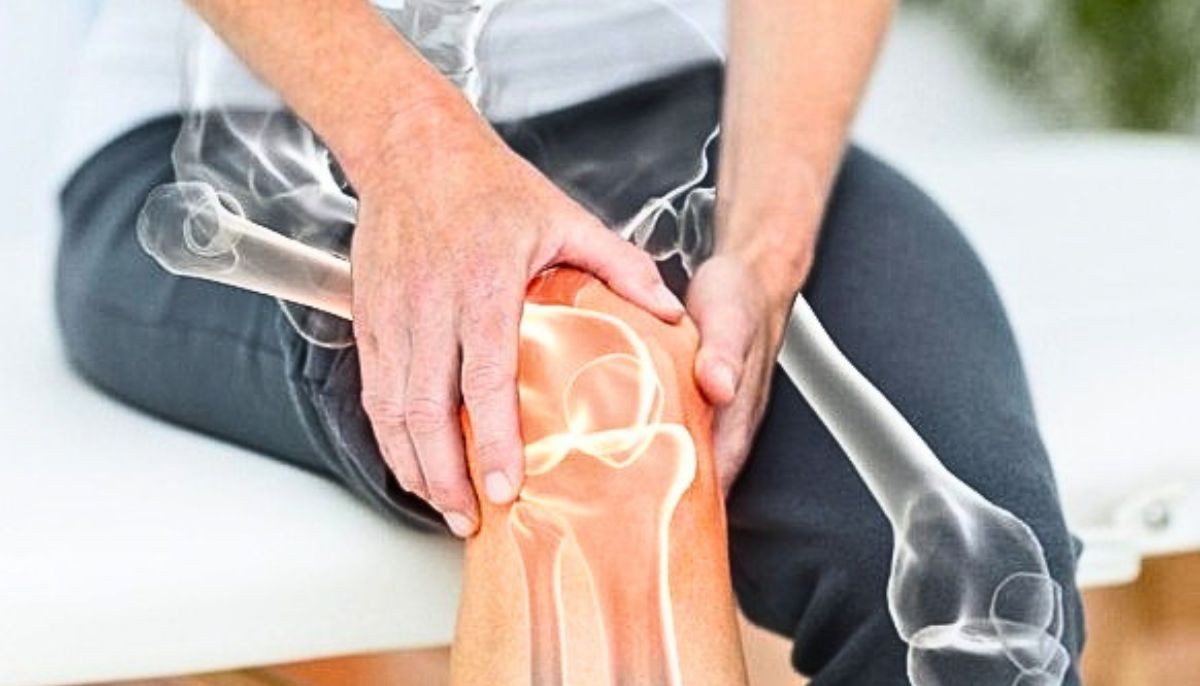
Scientists have found a clue to relieving arthritis pain without medical or surgical intervention. A surprisingly simple adjustment to walking could offer new hope for millions of people with knee osteoarthritis.
In a year-long clinical trial, researchers found that slightly changing the angle of a person’s foot while walking reduced knee pain as effectively as regular medications and even slowed cartilage damage in the joint.
Arthritis is the most common health problem in old age. Nearly one in four adults over the age of 40 suffer from painful osteoarthritis.
Osteoarthritis is a condition that can make daily exercise difficult, and it is one of the leading causes of disability in adults.
The disease gradually wears away the cartilage that protects the joints. Once that damage has occurred, doctors cannot currently reverse it.
Treatment usually focuses on pain relief, with joint replacement becoming an option when symptoms become severe.
A clinical trial from researchers at the University of Utah, New York University and Stanford University points to another possibility: changing the way a person walks.
Findings from the year-long study showed that people with knee osteoarthritis were trained to make a small, personalized change in the angle of their foot while walking.
The result was striking. People who received the real walking training reported pain relief comparable to medication, and MRI scans suggested they had less knee cartilage deterioration than people in the placebo group.
The research was published in The Lancet Rheumatology and was co-led by Scott Uhlrich of the University of Utah’s John and Marcia Price College of Engineering.
Notably, it was the first placebo-controlled study to show that a biomechanical intervention could help treat the symptoms of osteoarthritis and potentially slow joint damage.