Scientists have revealed unusual information about space. A group of researchers and astronauts discover that Earth’s orbit is becoming increasingly messy due to broken satellites and leftover rocket parts.
The researchers also propose possible solutions to solve the problem and take important measures to act quickly.
They revealed that their goal is to make space exploration cleaner and more sustainable.
A new article published on December 1, 2025 in the Cell Press journal Chem Circularity explores how well-known ideas can be built into the way satellites and spacecraft are designed, repaired in orbit, and handled at end-of-life.
The astronomers also demanded new tools to collect old debris and new data systems to help prevent collisions.
How clutter affects space

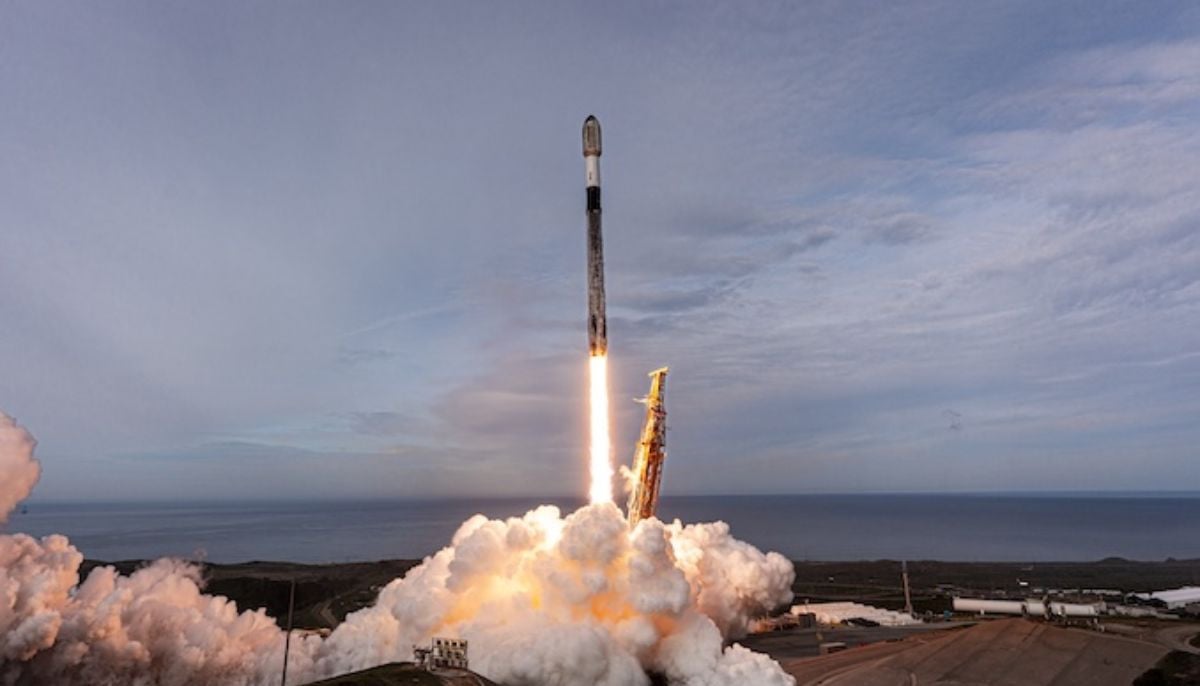
Researchers explained that each rocket launch sends valuable materials into the air that cannot be recovered, while also releasing large amounts of greenhouse gases and chemicals that damage the ozone layer.
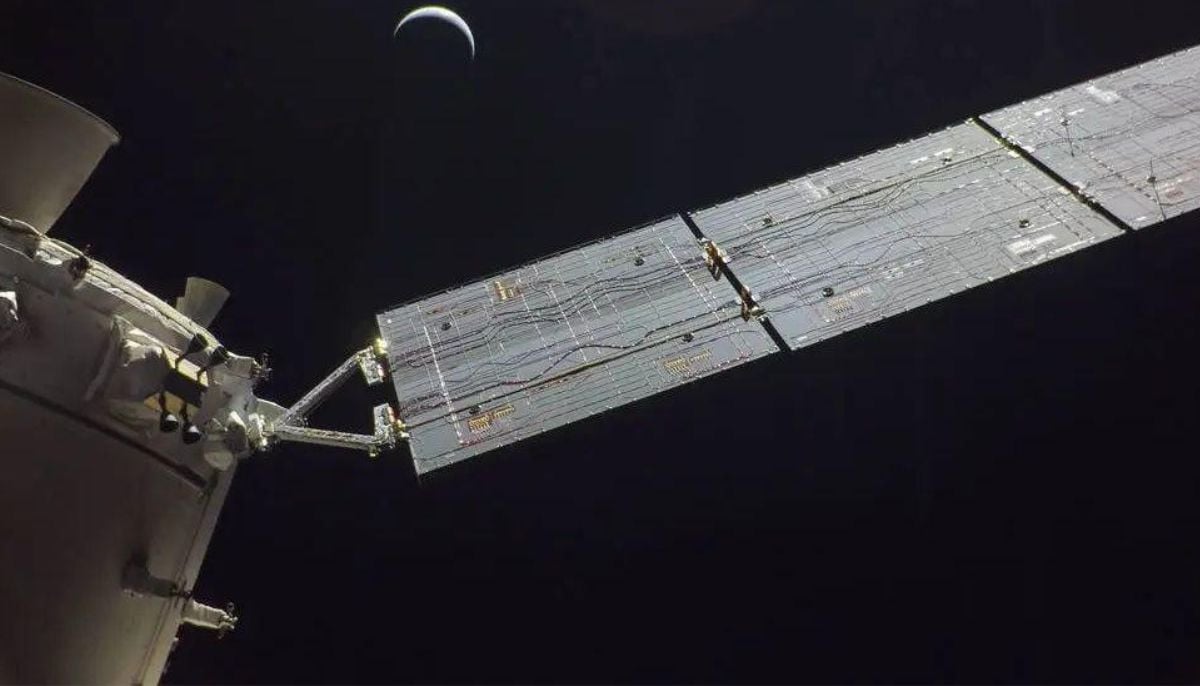
The research underlines that growing debris and abandoned satellites are causing enormous problems in space.
Most spacecraft and satellites are never recycled and large amounts of material are permanently lost when missions end.
Many older satellites are moved into “graveyard orbits,” while others become drifting orbital debris that can disrupt the operation of active systems.
The authors argue that this approach cannot continue, especially with the increasing pace of private space missions.
They emphasize the need for a circular space economy, a model in which materials and equipment are created with reuse, repair and recycling in mind, as they noted that industries such as personal electronics and automotive have already adopted similar ideas with significant success.
“Our motivation was to bring the conversation about circularity to the space domain, where it is long overdue,” says Xuan. “Circular economy thinking is transforming materials and manufacturing on Earth, but is rarely applied to satellites, rockets or space habitats.”
Scientists propose ‘3R’s’ solution; Reduce, reuse and recycle
According to the team, the basis of a circular space economy lies in the 3 R’s; reduce, reuse and recycle.
• Reducing waste would start with building satellites and spacecraft that last longer and are easier to attach to space.
• They also propose turning space stations into multi-purpose centers where spacecraft can refuel, undergo repairs or even have new parts manufactured, which could reduce the number of launches needed.
• The authors add that safely returning spacecraft and space stations to Earth for reuse would require better recovery systems, including technologies such as parachutes and airbags.
• They point out that equipment in space experiences significant wear and tear due to extreme temperatures and radiation, requiring any component intended for reuse to pass strict safety checks.
Clearing debris and using safe space operations

• The researchers also recommend new efforts to collect orbital debris, such as using robotic arms or nets to collect fragments so the materials can be recycled. This would also help prevent collisions that create even more debris.
• They inform that data-driven tools will play an important role in this transition and that information collected from spacecraft can drive design improvements and help reduce waste, while simulation tools can reduce the need for expensive physical testing.
• They suggested that AI systems could help spacecraft and satellites avoid dangerous debris in real time.
Transforming entire space stations
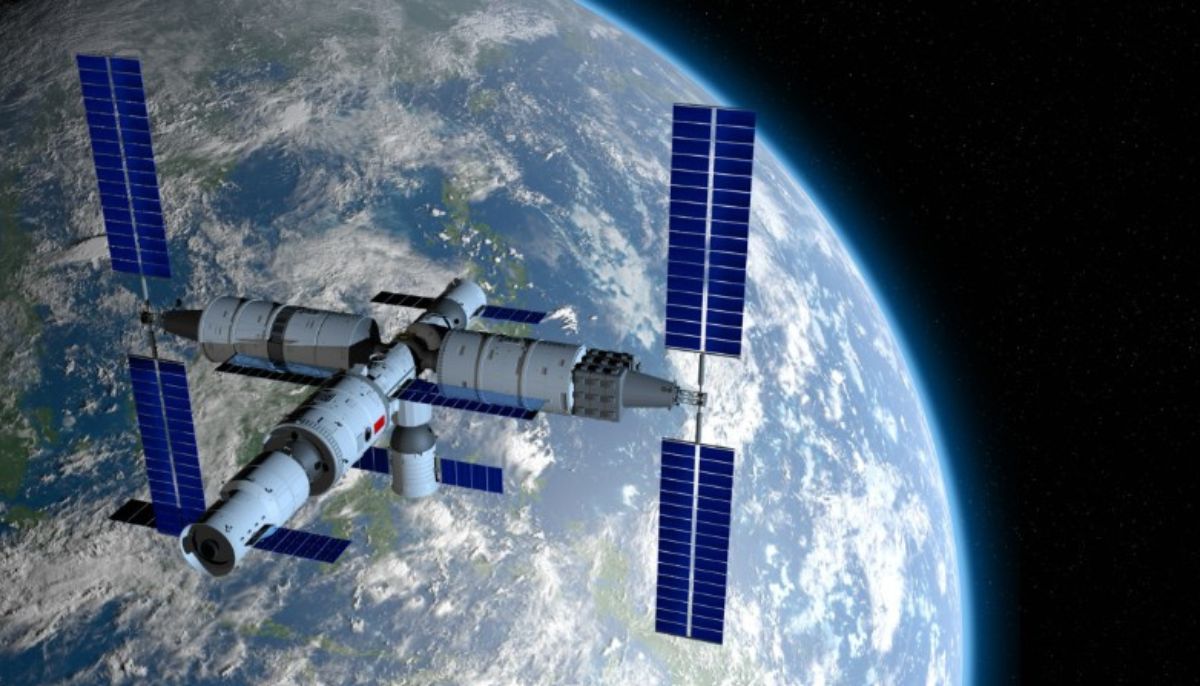
Reflecting on the importance of clearing debris from space, scientists emphasized the transformation of entire space stations through innovation and global cooperation.
• They emphasized that a circular space economy represents a major change in the way the space sector works.
• Rather than focusing on one side, the entire system must be considered at once, from the materials used to the way spacecraft are operated and decommissioned.
“We need innovation at every level, from materials that can be reused or recycled in orbit and modular spacecraft that can be upgraded instead of thrown away, to data systems that track how hardware ages in space,” says Xuan.
The study concluded that in addition to providing solutions for cleaning up space debris, scientists also suggested that they need international cooperation to accelerate the cleanup mission through a policy framework.
“But just as importantly, we need international cooperation and policy frameworks to encourage reuse and recovery beyond Earth. The next phase is about connecting chemistry, design and governance to make sustainability the standard model for space.”
In addition, this research received support from the UK Engineering and Physical Sciences Research Council, the Leverhulme Trust and the Surrey-Adelaide Partnership Fund.