After the successful extinction of dire wolves, scientists at Colossal Biosciences plan to bring back the Bluebuck antelope, which has been lost for more than 200 years.
On Thursday, the Texas-based startup said the core of its efforts to eradicate extinction would involve the use of genetic technology. The bluebuck antelope, once native to southern Africa, was the first large mammal to become extinct in modern history.
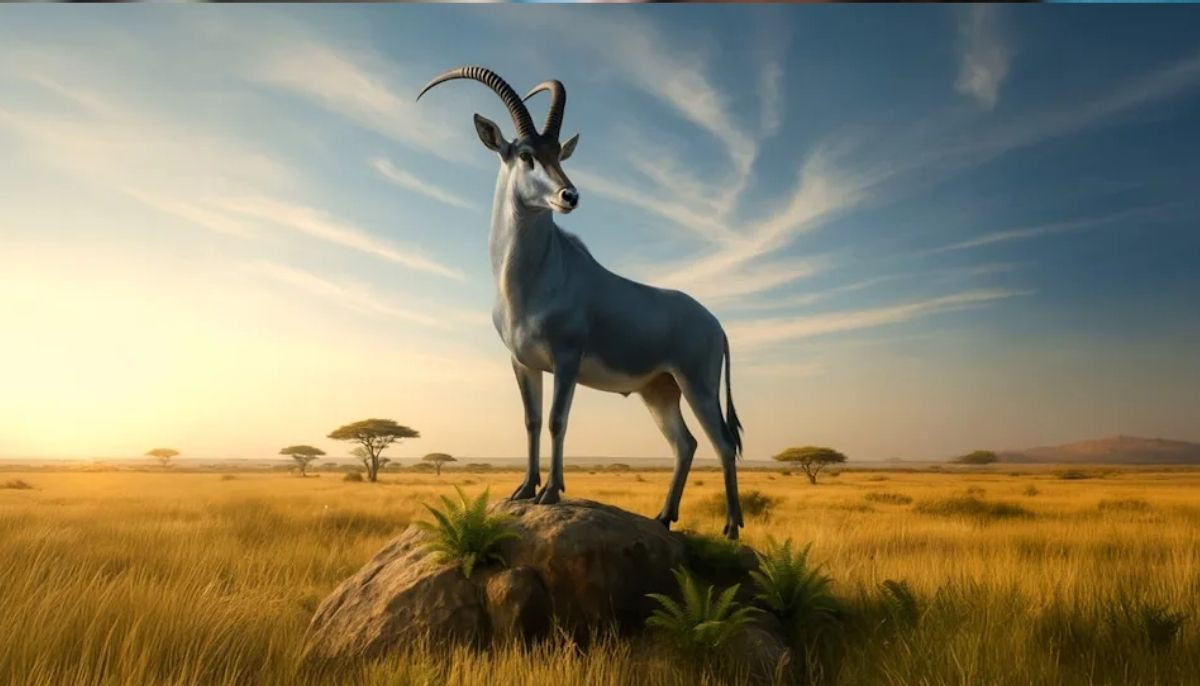
Bluebuck was known for its silver-blue coat and curved horn. During the European colonial settlement of the Cape, the species was extensively hunted, leading to its extinction.
According to the researchers, the extinction of bluebucks is very beneficial for the environment, as these mammals graze on plants and turn them into manure in the landscape.
The bluebuck has become the sixth species and the first antelope to be shortlisted for Colossal extinction. CEO Ben Lamm described the project as a “critical step” toward “protecting entire ecosystems.”
Lamm said: “The bluebuck represents a crucial step forward for Colossal and conservation, and marks our first major focus on antelope conservation – a step we can now pursue because of important developments with the necessary technologies.”
“Every reproductive technology, genome editing protocol and conservation tool we develop through this effort is designed to scale – directly benefiting the 29 antelope species currently at risk.
“By focusing on the bluebuck, we are not only working to restore a lost species, but we are also building solutions that can help protect entire ecosystems.”
The de-extinction process involves reconstructing a high-quality bluebuck genome using preserved specimens and studying its genetic makeup.
The scientists are currently working on roan antelope cells because of their genetic proximity to bluebuck. With genetic modification, these cells will introduce bluebuck DNA, with the aim of creating embryos. Later, these embryos would be carried by carrier animals.
However, the researchers have not revealed a definitive timeline for embryo creation.
The situation is also bleak for other antelope species. According to the International Union for Conservation of Nature, out of 90 species, 29 are on the verge of extinction due to population decline.
The bioscience behemoth is working on plans to revive the woolly mammoth and dado under the extinction project.