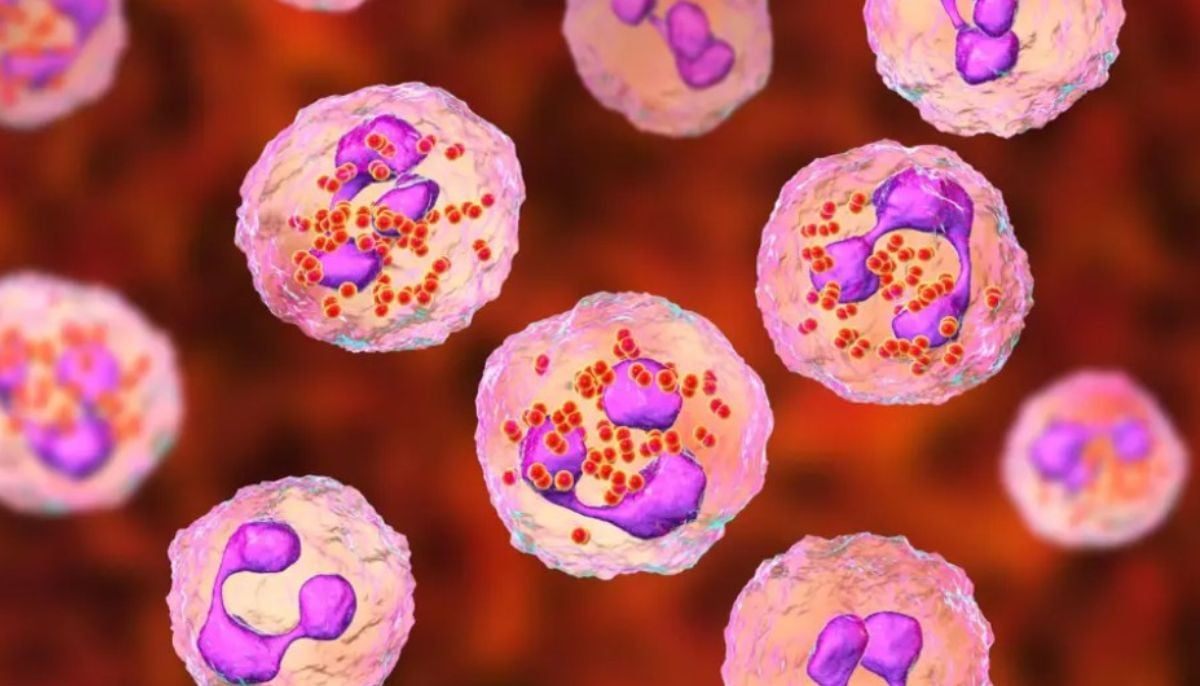
The medical community is on edge as the hantavirus outbreak has claimed three lives linked to an expedition cruise ship, the MV Hondius, since mid-May 2026, as confirmed by the World Health Organization (WHO).
Recently, another six people on board the ship were taken to a quarantine center in Australia after being infected with hantavirus. The specific cluster includes the Andean strain, which is unique because it is the only strain of hantavirus that can be transmitted from person to person in rare cases.
Reports of hantavirus cases have sparked immediate concern, naturally drawing comparisons to the Covid-19 pandemic that has reshaped global life. Now the question arises: Can the hantavirus outbreak become a new Covid-like pandemic?
However, the medical experts denied the possibility that a hantavirus outbreak could turn into a global pandemic.
According to WHO epidemiologist Maria Van Kerkhov, the hantavirus outbreak is not the next COVID. But we cannot downplay its seriousness as it is a serious infectious disease. And in the most serious cases, people can die.
The New York TimesGlobal health reporter Apoorva Mandavilli also explains that there is no tangible indication that the hantavirus outbreak could turn into a pandemic.
Professor Emma Thomson leads the MRC Center for Virus Research at the University of Glasgow – one of only two centers in Britain currently researching hantavirus. “It will be very, very unlikely that the hantavirus will be related to the Covid-19 pandemic.”
Prof Thomson said it “wouldn’t be very surprising if we found one or two positive tests, one or two positive people” in Britain.
This scenario would be “in line with other countries and what they have seen. I would expect that that could be managed very easily with the existing facilities that we have,” she added.
“It is very, very unlikely that something like this will culminate in anything like the Covid 19 pandemic.”
There is currently no vaccine and no specific treatment available for this virus. The MRC Center for Virus Research analyzes whether existing antiviral treatments can be effective against this.
Prof Thomson added: “We will also use methods to think about new treatments for the Andean virus, which is the cause of this outbreak.