A week after crashing into the Pacific Ocean and breaking the record for the farthest distance humans have ever traveled from Earth, Artemis II commander Reid Wiseman asked for a Navy chaplain. He had never met the man before. When the chaplain came in and Wiseman saw the cross on his collar, he wept.
“I’m not really a religious person,” Wiseman said publicly, “but there was no other way for me to explain something or experience something.”
A view of the earth that language could not comprehend
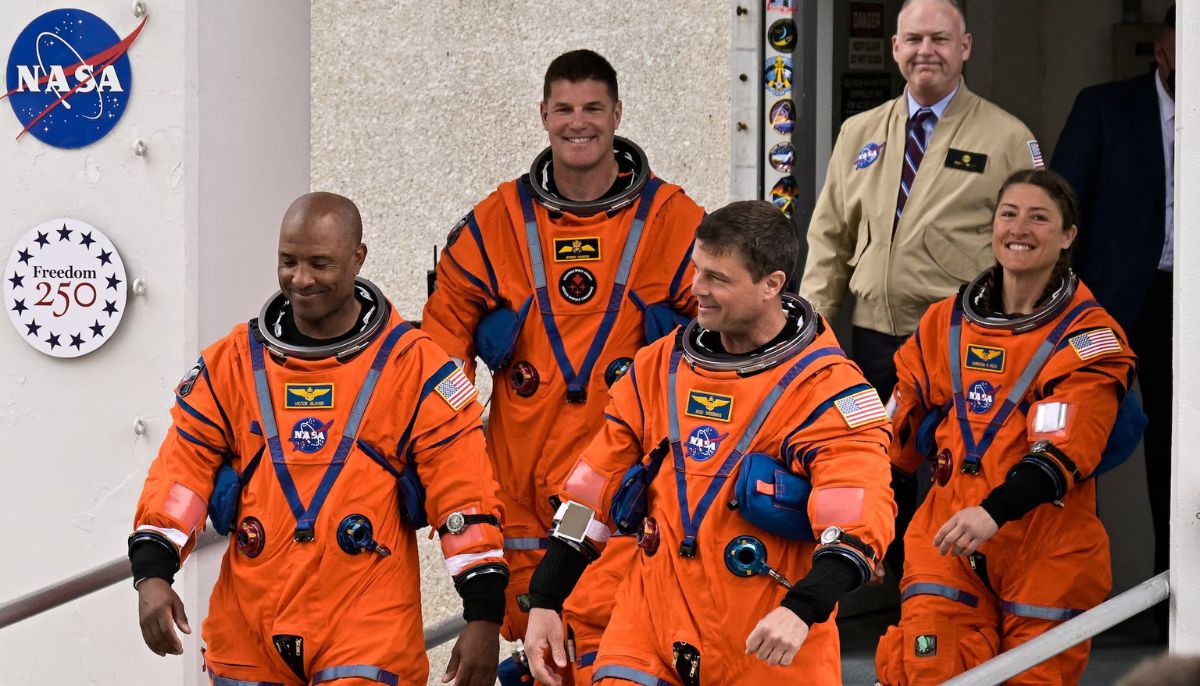
The Artemis II mission, crewed by Wiseman, pilot Victor Glover and mission specialists Christina Koch and Jeremy Hansen, took the four astronauts further from Earth than any human before them. What they saw along the way defied easy description.
When Wiseman witnessed the eclipse of the sun by the moon, he told Glover in the middle of their mission, “I don’t think humanity has evolved to the point where it’s capable of understanding what we’re looking at right now.” Jeremy Hansen, a mission specialist, revealed that he kept returning to the windows because of the realization that he was so infinitesimally small within the vastness of the galaxy.
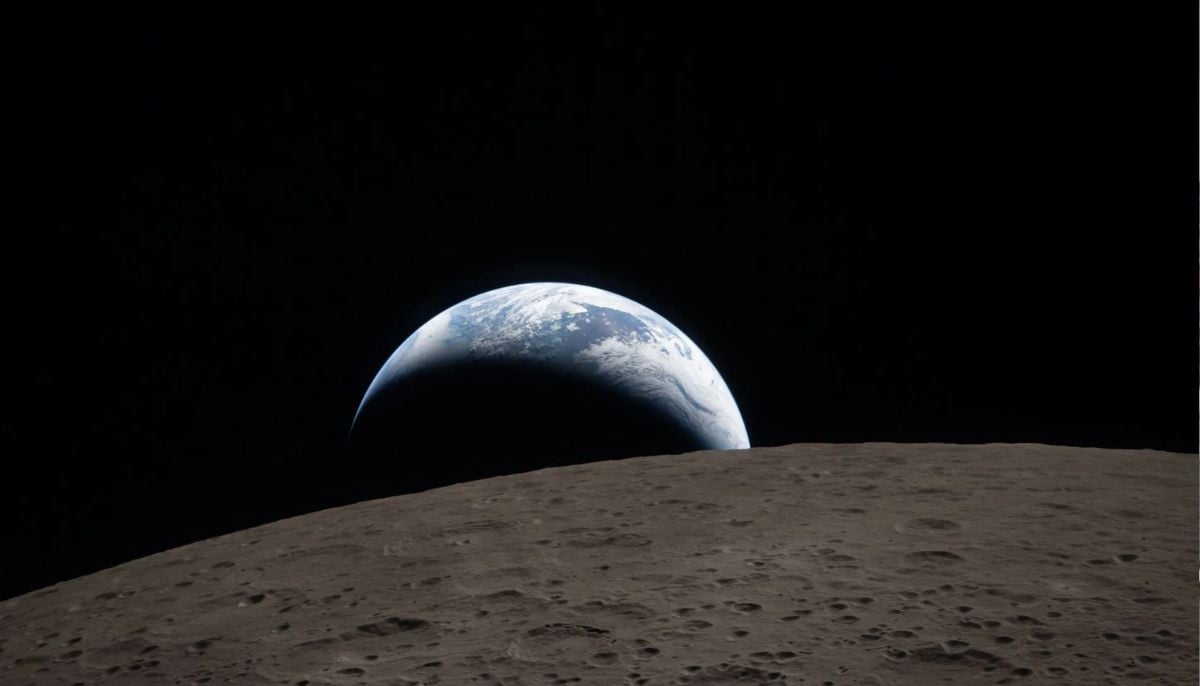
They were also able to witness the Earth’s demise behind the moon, something humans have never had the privilege of seeing before.
This has a label: the overview effect. The term refers to a documented change in cognition that astronauts experience when observing Earth from space, and is characterized by immediate awe, a sense of oneness with everything and everyone, and a deeper awareness of how fragile the Earth is.
Apollo 14 astronaut Edgar Mitchell, who became the sixth lunar astronaut, described his experience after his 1971 mission by stating, “You immediately develop a global consciousness, a people-centeredness, an intense dissatisfaction with the state of the world and a compulsion to do something about it.” The Artemis II crew members are currently using the same words they found.
However, it is not the only adjustment. According to Christina Koch, her body was still not ready to accept the presence of gravity in the first days after landing. “Every time I woke up, I thought I was floating,” Koch said. “I really thought I was floating and had to convince myself I wasn’t.” Koch threw away a shirt expecting it to float in the air, but was surprised when it fell down.
Other than that, the astronauts apparently slept wonderfully. The tests the crew underwent immediately after landing gave them little opportunity to reflect on their experiences. “We didn’t have that decompression,” Wiseman admitted. “We didn’t have that time to think about it.”