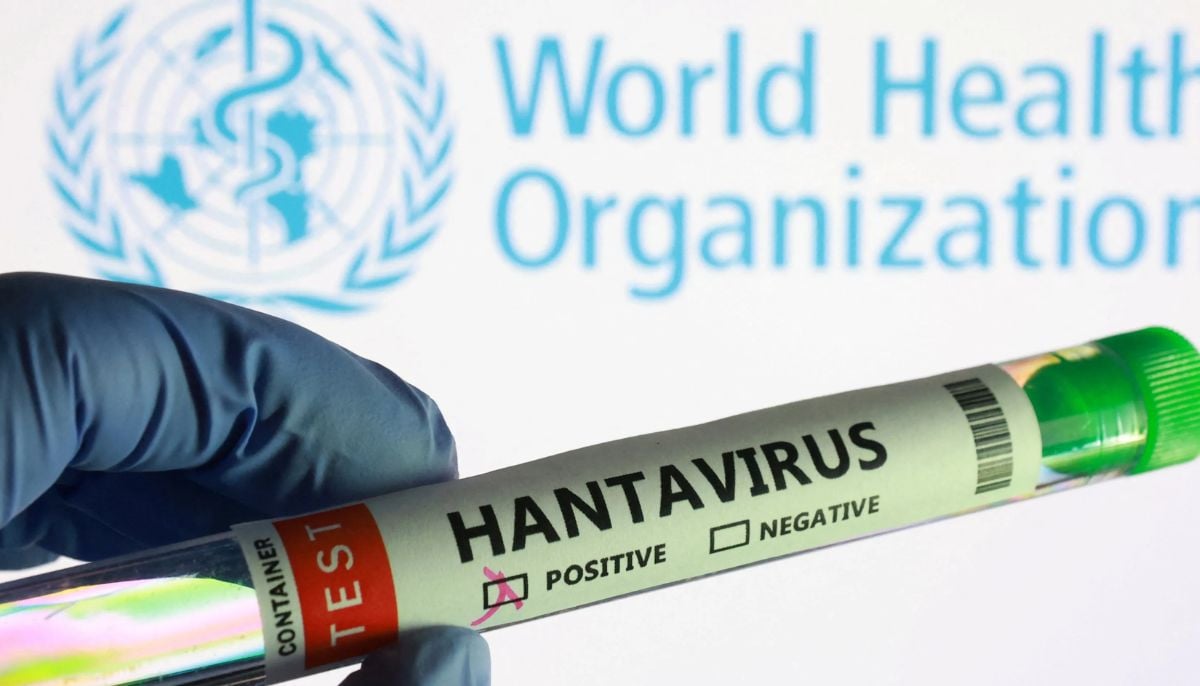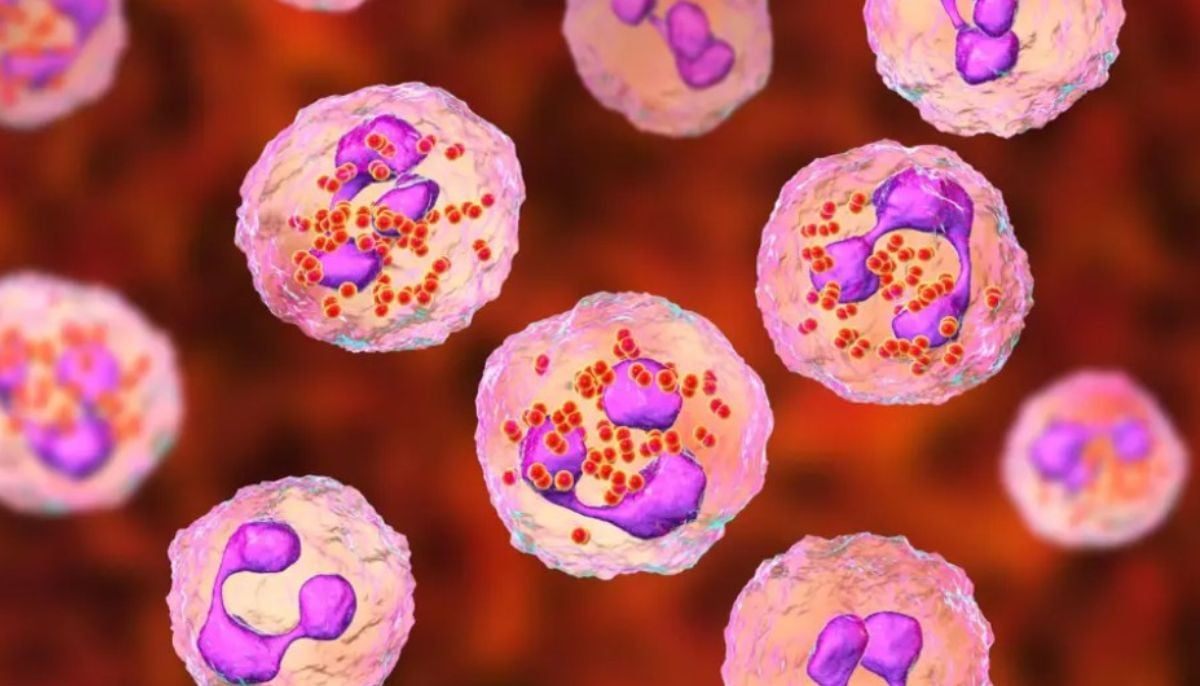
Recently, a serious incident occurred on a cruise ship in which three people died due to a suspected hantavirus outbreak.
Hantaviruses are a group of viruses transmitted by rodents; they are transmitted to humans by inhaling airborne particles from dried rodent feces.
According to the U.S. Centers for Disease Control and Prevention, hantaviruses cause two significant serious illnesses. The former affects the lungs and can lead to severe respiratory failure.
Conversely, the second hemorrhagic fever with renal syndrome attacks the kidneys, resulting in serious health complications.
The virus spreads through contact with infected rodents or their urine, saliva and feces. Although it mainly spreads from animals to humans, the World Health Organization notes that hantaviruses can also spread directly between people.
According to Australian virus researcher Paul Griffin, approximately 150,000 to 200,000 hantavirus infections are diagnosed worldwide every year.
“Early in the disease, you may not really be able to tell the difference between hantavirus and influenza,” says Dr. Sonja Bartolome of UT Southwestern Medical Center in Dallas.
The first symptoms are similar to flu, including fever, chills, muscle aches and headache. Hantavirus Pulmonary Syndrome (HPS) usually occurs 1 to 8 weeks after exposure and causes severe breathing problems as the lungs fill with fluid.
HFRS, on the other hand, primarily targets the kidneys, potentially leading to internal bleeding, low pressure and acute renal failure.
The mortality rate is highly dependent on the load; HPS is fatal in approximately 35% of cases, while mortality rates for HFRS range from 1% to 15%.
Because there is no specific treatment or vaccine, patients are dependent on supportive care such as oxygen, ventilators or dialysis. To stay safe, it is essential to minimize contact with rodents and their waste.
Always use gloves and bleach when handling feces. Never sweep or vacuum with a vacuum cleaner as this can spread the virus in aerosol form, making it easier to inhale.
Public health concerns have increased following a suspected outbreak on board the MV Hondius. Additionally, Betsy Arakawa (wife of Gene Hackman) died in February 2025 in Santa Fe due to HPS after evidence of rodent activity was later discovered on her property.