New research suggests that vitamin B2 may help cancer cells stay alive. Vitamin B2 works together to convert carbohydrates from food into fuel for your body. It also helps release energy from proteins.
Riboflavin, or vitamin B2, is an essential water-soluble nutrient used to metabolize fats and proteins.
Essential to human health, it is used to maintain healthy skin, blood cells and mucous membranes.
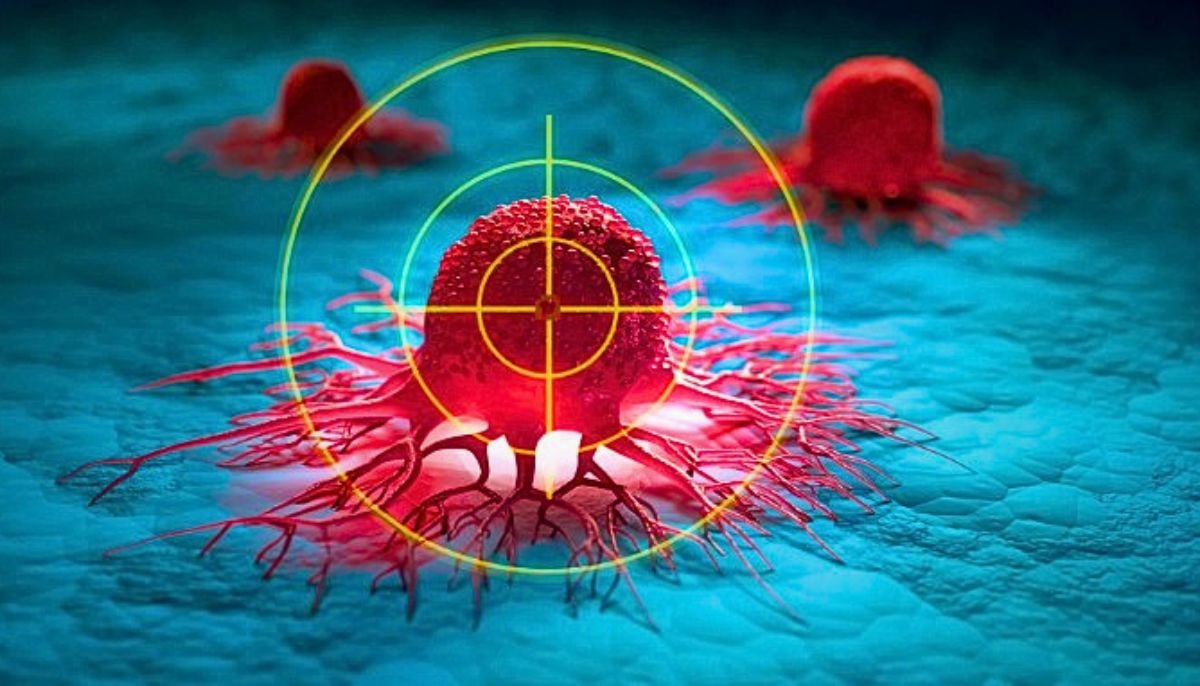
New findings show that vitamin B2 metabolism can also protect cancer cells from destruction.
The researchers reveal that the vitamin supports a cellular shield that protects tumors from ferroptosis, a form of programmed cell death linked to cancer suppression.
“Vitamin B2 plays a crucial role in protecting cancer cells against ferroptosis, a special form of programmed cell death,” says researcher.
How it works:
Scientists suggest that vitamin B2 cannot be produced by the body and must come from food sources such as dairy products, eggs, meat and green vegetables.
Once absorbed, the vitamin is converted into molecules that help protect cells from oxidative damage and support other important biological functions.
While conducting laboratory tests, researchers used a vitamin B₂-like compound called roseoflavin to break down that protection and cause the death of cancer cells.
Programmed cell death is one of the body’s natural defense systems. It allows damaged or dangerous cells to die in a controlled manner without causing inflammation in nearby tissues.
Ferroptosis is one type of this process and has been linked to cancer, neurodegenerative diseases and other serious conditions.
This process occurs when iron-induced damage to cell membranes overwhelms a cell’s antioxidant defenses.
The new study showed that vitamin B2 metabolism plays an important role in this protective defense.
The research team was led by José Pedro Friedmann Angeli, professor of Translational Cell Biology, and the study was published in Nature Cell Biology.
In addition, the research was supported by the German Research Foundation DFG.