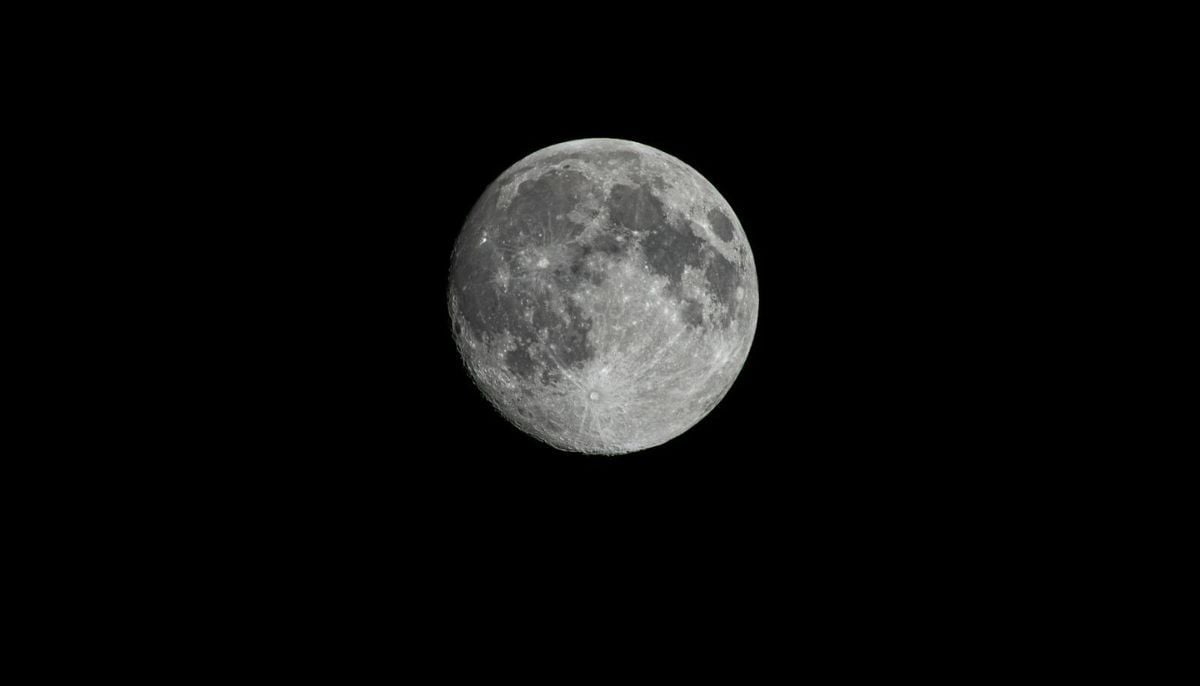
As NASA accelerates its efforts to establish permanent lunar habitats at the South Pole, researchers are preparing for a controlled but dangerous experiment.
The Flammability of Materials on the Moon (FM2) experiment, a collaboration between NASA Glenn, Johnson Space Center and Case Western Reserve University, aims to fill a critical gap in spacecraft safety data.
For decades, every material used in manned missions has been tested against NASA-STD-6001B, a flammability standard designed for Earth’s gravity of $1g$. However, scientists warn that these standards could become a problem in the moon’s 1/6 gravity.
Danger of ‘weak’ gravity: why NASA is setting the moon on fire
On Earth, fire is formed by buoyancy. Hot air rises, drawing in fresh oxygen and at the same time creating a “blow-off effect” that can naturally extinguish the flames. However, the moon’s gravity is in a dangerous middle ground, being strong enough to cause convection but too weak to cause the blowing effect.
This creates a buoyant “sweet spot” where fires can burn hotter, longer and faster than on Earth. Because Earth-based drop towers and parabolic flights can only simulate partial gravity for a few seconds, they cannot capture how a flame spreads over time.
The FM2 payload – a sealed chamber containing four solid fuel samples – will land via a Commercial Lunar Payload Services (CLPS) flight to produce the first stable combustion data from the lunar surface.
This data is important for the Artemis program as NASA redefines material standards before habitable interiors, pressurized rovers and spacesuits are ready. By burning samples on the moon today, NASA ensures that tomorrow’s pioneers do not live in danger of fire.