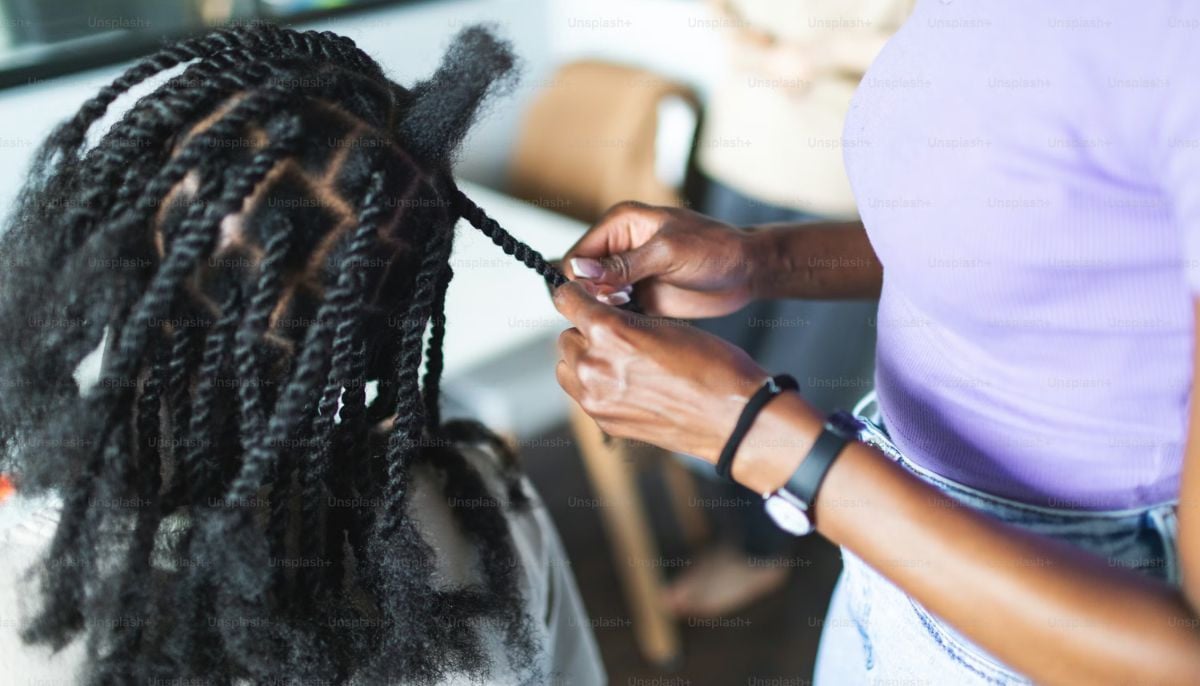
A study from the Silent Spring Institute has raised alarms about chemicals lurking in everyday beauty products, especially hair extensions worn by millions of women. Chemist Elissia Franklin tested 43 braiding hair products and found that flame retardants, organotin compounds and phthalate chemicals linked to cancer, birth defects and reproductive damage were present in the products.
Franklin’s research stemmed from her realization that her colleagues were trying to rid home couches of flame retardants while women were using flame retardant braiding hair on their heads.
“If they want to remove flame retardants from sofas, why do we use these products so intensively in our daily lives?” she asked.
The findings extend beyond just braiding hair. The cosmetic chemist Ami Zota showed that all people who use cosmetics will experience chemical exposure through the use of soap, lotion and toothpaste.
However, FDA regulation remains minimal and largely voluntary. Testing focuses on short-term reactions such as rashes rather than the long-term risk of cancer or reproductive damage.
There is little government funding and regulation for the FDA. Most tests are conducted by companies themselves, looking at individual ingredients rather than their collective effect.
This approach does not protect consumers from potentially dangerous preservatives, formaldehyde donors and various other toxins found in everyday products.
An example of this is lotion. Franklin stated that lotions typically contain many preservatives to ensure shelf life, including formaldehyde donors. Because the lotion remains on the skin without being washed off, the longer application time increases the danger. Applications like Clearya and Skin Deep make understanding chemical ingredients easier. But the real guarantee lies in consumer knowledge and corporate responsibility.