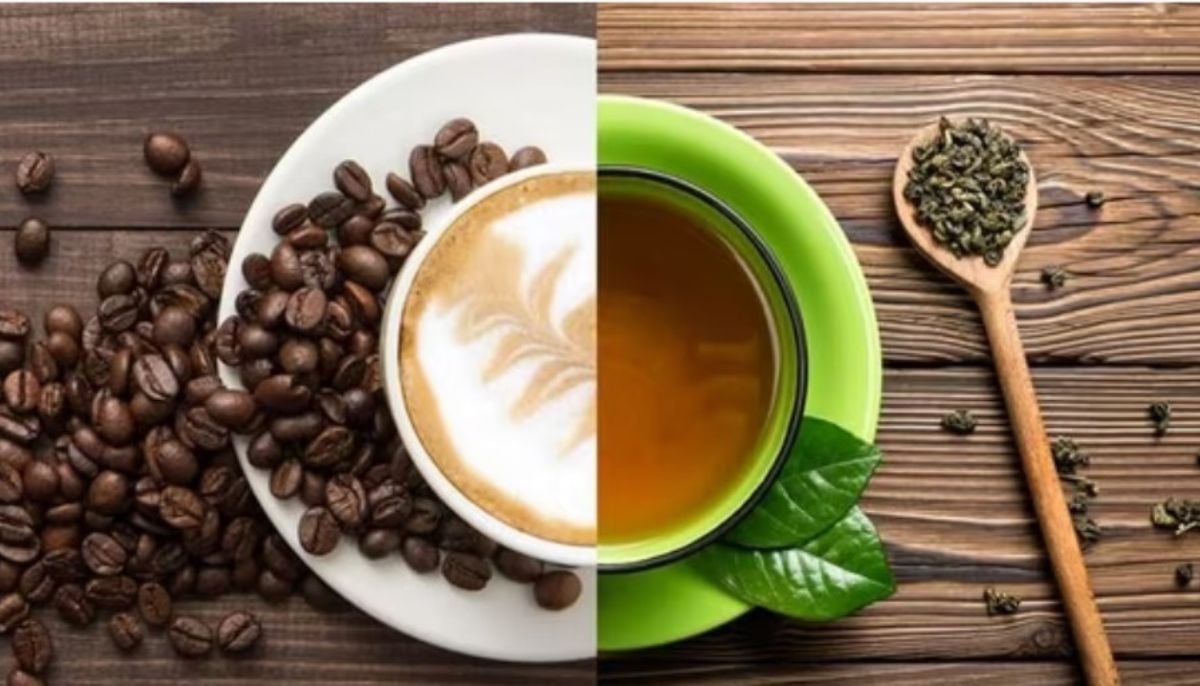
A decade-long study from Flinders University sheds new light on the two most commonly consumed drinks; tea and coffee and their impact on bone health in women.
The study published in the Journal Nutrients, followed nearly 10,000 women aged 65 and over for ten years to investigate whether regularly drinking coffee or tea was linked to changes in bone mineral density (BMD), a central marker used to assess osteoporosis risk.
Osteoporosis affects one in three women over 50 and leads to millions of fractures every year, making bone health a major global problem.
Because coffee and tea are part of the daily routine of billions of people, researchers note that understanding their long-term effects on bones is essential.
In addition, the researchers used information from the osteoporosis fracture study, based on repeated measurements of beverage intake and BMD of the fracture-prone hip and femoral neck.
Over the 10-year period, participants regularly reported how much coffee and tea they consumed, while also having their bone density assessed using advanced imaging tools.
The results showed that women who drank tea had slightly higher total hip BMD than those who did not.
Although the improvement was small, it was statistically significant and may be important when assessing the health of a large population.
Associate Professor Enwu Liu from the College of Medicine and Public Health said: “Even small improvements in bone density can translate into fewer fractures in large groups.”
Researchers found that tea drinkers had slightly stronger bones, while moderate coffee drinking caused no damage.
The study also found that heavy coffee intake of more than five cups per day was linked to lower bone density, especially in women who consumed more alcohol.
Women with higher alcohol consumption seemed particularly vulnerable to the negative effects of coffee, while tea showed stronger benefits in obese women.
“Laboratory research has shown that the caffeine content in coffee interferes with calcium absorption and bone metabolism, although these effects are small and can be offset by adding milk,” says Ryan Liu from Flinders University.
Ryan Liu, co-author of the study, concluded that tea’s benefits may stem from catechins that support bone formation.
The researchers say small daily habits can make a meaningful difference over time.
Assistant Associate Professor Enwu Liu notes that the research shows that drinking tea daily can be an easy way to support bone health as people age.
“Although moderate coffee drinking seems safe, very high consumption may not be ideal, especially for women who drink alcohol,” said Enwu Liu.
The study Longitudinal association of coffee and tea consumption with bone mineral density in older women: a 10-year repeated measures analysis in the Study of Osteoporotic Fractures was published in the research journal Nutrients.