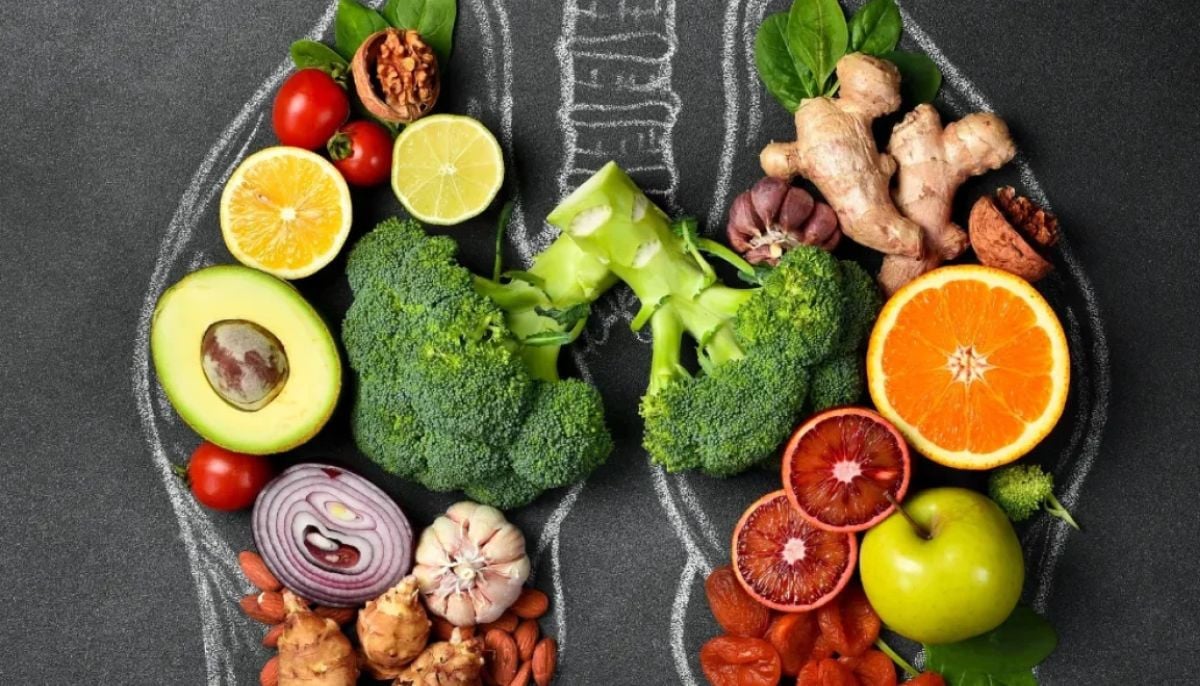
Is Fiber Really Your Gut Doctor? Scientists have revealed some facts about a growing trend called ‘fibermaxxing’.
The FiberMaxxing trend puts dietary fiber in the spotlight for good reason, as fiber plays a powerful role in keeping the body healthy, from supporting digestion and feeding beneficial gut microbes to helping regulate blood sugar and cholesterol, scientists report.
‘Fibermaxxing’ refers to consuming at least the recommended daily amount of fiber for your body weight every day. The idea has gained popularity on social media and traditional media this year.
Researchers say the amount of fiber you eat can have a strong impact on your overall health, because fiber supports healthy digestion and has been linked to a lower risk of certain cancers, among many other benefits.
Fiber maxxing:
‘Fiber maxxing’ is gaining more and more attention, because getting enough fiber can even lower the risk of conditions such as obesity, diabetes and certain forms of cancer.
Jennifer Lee, a scientist at the Jean Mayer USDA Human Nutrition Research Center on Aging at Tufts University, says living longer doesn’t necessarily mean living those years in good health. Many people look for ways to stay healthier as they get older. “Behavioral or nutritional strategies that can keep someone healthy are very trendy right now.”
“If you don’t consume a lot of fiber, you may be consuming calories from other macronutrient groups, and these may be high in carbohydrates or fats, which can lead to weight gain,” Lee said.
“Then, depending on a number of factors that may influence cancer risk, fiber deficiency may increase the risk of certain cancers, such as colorectal, breast and prostate cancer,” she added.
_updates.jpg)
Meet the recommendations for daily fiber intake
According to the Dietary Guidelines for Americans, 2020-2025, published by the U.S. Department of Agriculture (USDA) and the U.S. Department of Health and Human Services, adults should consume between 22 and 34 grams of fiber each day, depending on age and gender.
Research shows that consistently low fiber intake can contribute to metabolic and cardiovascular problems, including diabetes and obesity.
Soluble vs. Insoluble Fiber:
Dietary fiber falls into two main categories. Soluble fiber dissolves in water and slows digestion, while insoluble fiber helps move waste through the digestive tract.
Soluble fiber can also help regulate blood sugar levels by slowing digestion and reducing sudden spikes in glucose levels.
It can also help lower cholesterol by preventing some of the cholesterol from being absorbed into the bloodstream.
Foods rich in soluble fiber include many fruits and vegetables, such as apples, avocados, bananas, cabbage, broccoli and cauliflower. Legumes, beans and oatmeal are also good sources.
Insoluble fiber is commonly found in whole grains, nuts and seeds.
To maintain a healthy balance, experts recommend consuming about twice as much insoluble fiber as soluble fiber each day.
For example, if your daily goal is 30 grams of fiber, about 20 grams should come from insoluble fiber and 10 grams from soluble fiber.
For people who struggle to get enough fiber through food alone, supplements can help fill the gap.