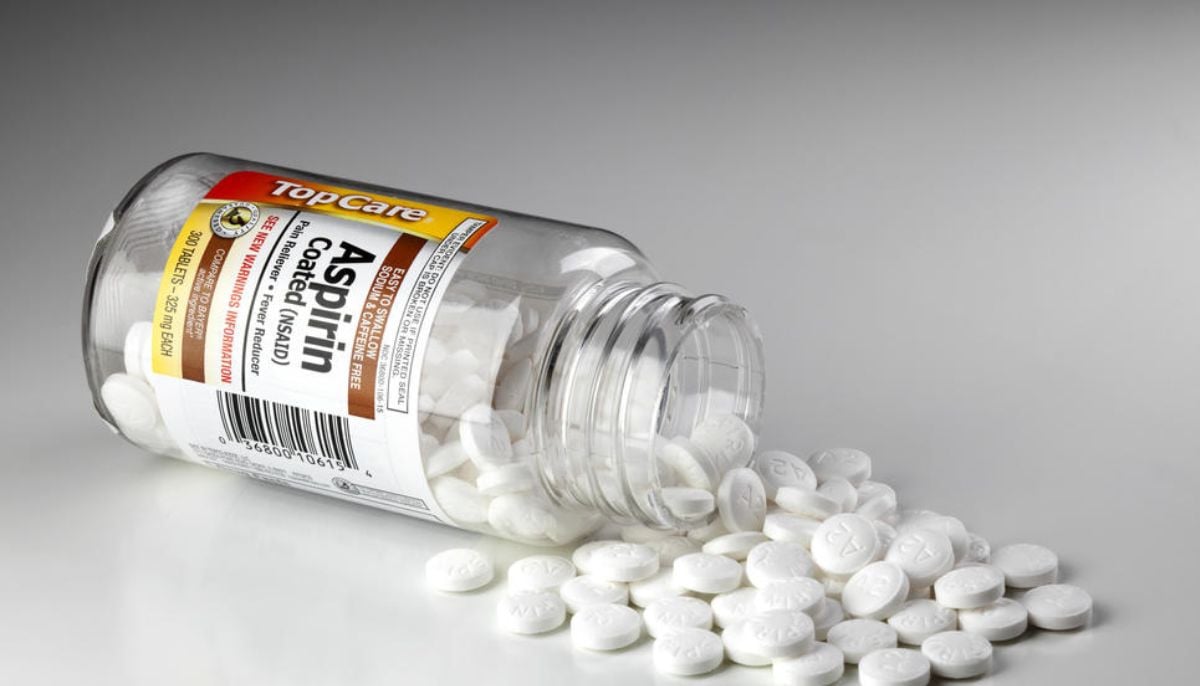
A medicine originally extracted from willow bark thousands of years ago is sparking a medical revolution. New clinical data and policy recordings from 2026 confirm that aspirin, the commonly used painkiller, can significantly prevent the formation and spread of certain tumors.
The evidence is most striking for people with Lynch syndrome, a genetic condition that gives carriers an 80% lifetime chance of developing colon cancer. A groundbreaking study led by Professor John Burn of Newcastle University found that a daily dose of aspirin for two years halved the risk of colorectal cancer in these patients.
In this context, Professor Burn said: “People who took aspirin had 50% fewer colon cancers.”
The success of these studies has already changed health policy. Since January 2026, Sweden has started screening colon cancer patients for specific mutations and offering low-dose aspirin as standard treatment to prevent recurrence.
Similarly, UK guidelines now recommend aspirin for high-risk individuals from the age of 20. Although aspirin has been used to treat pain since ancient Mesopotamia, scientists are only now understanding its anti-cancer properties. The drug works in two ways:
- First, it inhibits the Cox-2 enzyme, which prevents the production of hormones that cause uncontrolled cell growth.
- By thinning the blood and inhibiting thromboxane A2, aspirin can prevent cancer cells from hiding in blood clots, making them visible to the immune system’s T cells.
Despite the excitement, experts warn that aspirin is not a risk-free miracle. It is pertinent to note that regular use can cause internal bleeding, stomach ulcers and brain bleeding.
While some researchers argue that every 50-something should take a ‘baby’ aspirin to reduce national death rates, others, such as Professor Anna Martling of the Karolinska Institute, urge caution.
“It’s one thing to give aspirin to a cancer population, but it’s quite another to offer the healthy population something that can also harm them,” Martling says.
Experts urge that regular aspirin be reserved for high-risk groups under strict medical supervision. Ongoing studies involving 11,000 participants in Britain, Ireland and India are testing whether aspirin protects against breast, prostate and esophageal cancer; results are expected in 2027.