When it comes to humanity, Earth is considered the original birthplace of man. But a new radical theory not only turns this long-standing view of man’s origins on its head, but also deepens the mystery.
The Martian descent theory suggests that humans could have come from Mars, as suggested by the scientists at Johns Hopkins University.
Astrobiologists have long thought that life can travel between planets when asteroids crash and launch various life forms, a theory known as the lithopanspermia hypothesis.
But the researchers previously had no idea whether the microbes could survive the impact and dangerous journey through space.
In a recent experiment where the scientists fired projectiles at the ultra-resilient bacterium Deinococcus radioduransthey discovered that these microbes can survive the extreme pressure and shock when ejected from a planet’s surface during an asteroid impact.
According to the findings published in the journal PNAS nexus, Deinococcus radiodurans survived pressures of up to three gigapascals, which is 30 times the pressure of the Mariana Trench.
“We expected it to be dead on that first push. We started shooting it faster and faster. We kept trying to kill it, but it was really hard to kill,” said Dr. Lily Zhao, lead author and NASA associate at Johns Hopkins.
Considering the habitable nature of Mars due to the presence of liquid water, the researchers suggested that Earth life, including humans, originally descended from microbes on Mars.
When considering the possibility of interplanetary microbial travel, Mars stands out as a compelling potential cradle for life that eventually took root on Earth.
“We have shown that it is possible for life to survive a large-scale impact and ejection. That means life can potentially move between planets. Maybe we are Martians,” Zhao said.
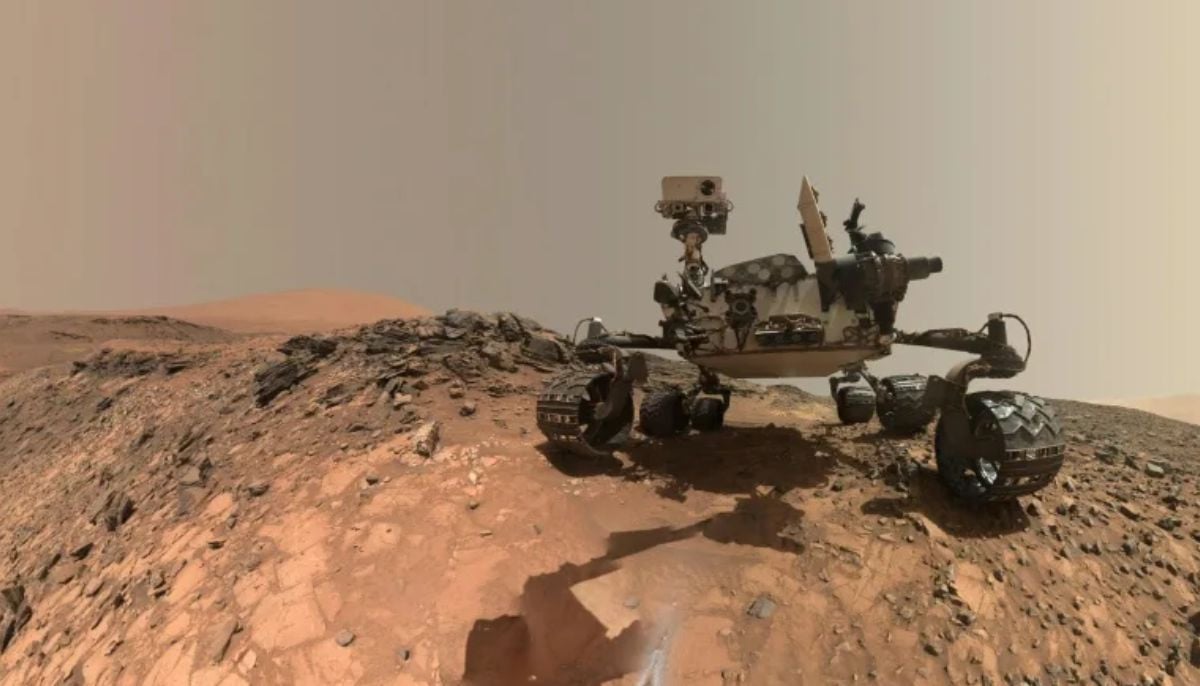
It is impossible to deny that the Red Planet was once a habitable place. Last year, NASA’s Perseverance rover discovered leopard spot markings on rocks containing organic compounds, indicating the presence of potential life forms on Mars.
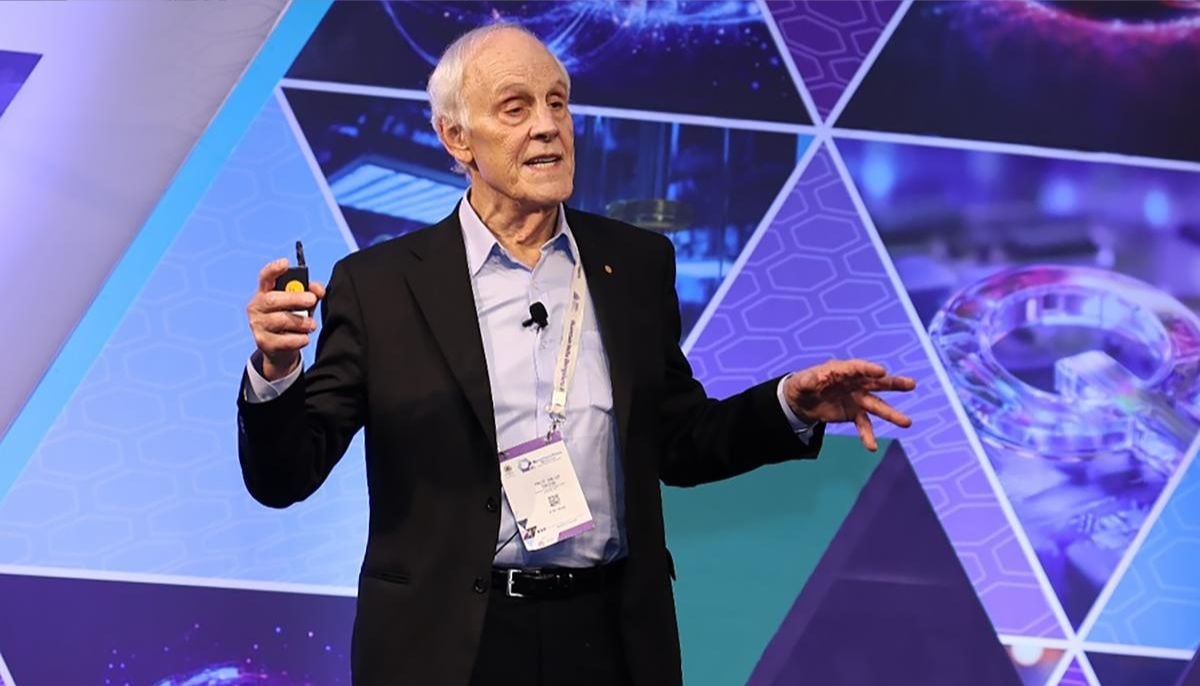
According to Prof. Kaliat Ramesh, the senior author from Johns Hopkins, the groundbreaking study could change the way we think about the origins of life and how life began on Earth. It could also change the perspective on the origins of humanity.
The findings have major implications for space missions. If hardy microbes can survive interplanetary travel, NASA and other agencies must be stricter about “contaminating” other planets or moons currently considered sterile.