NASA’s Perseverance rover has discovered a ‘buried treasure’ from Mars’ history. For years, the Red Planet has been a center of attention among the scientific community due to its mysterious nature to once harbor ancient life.
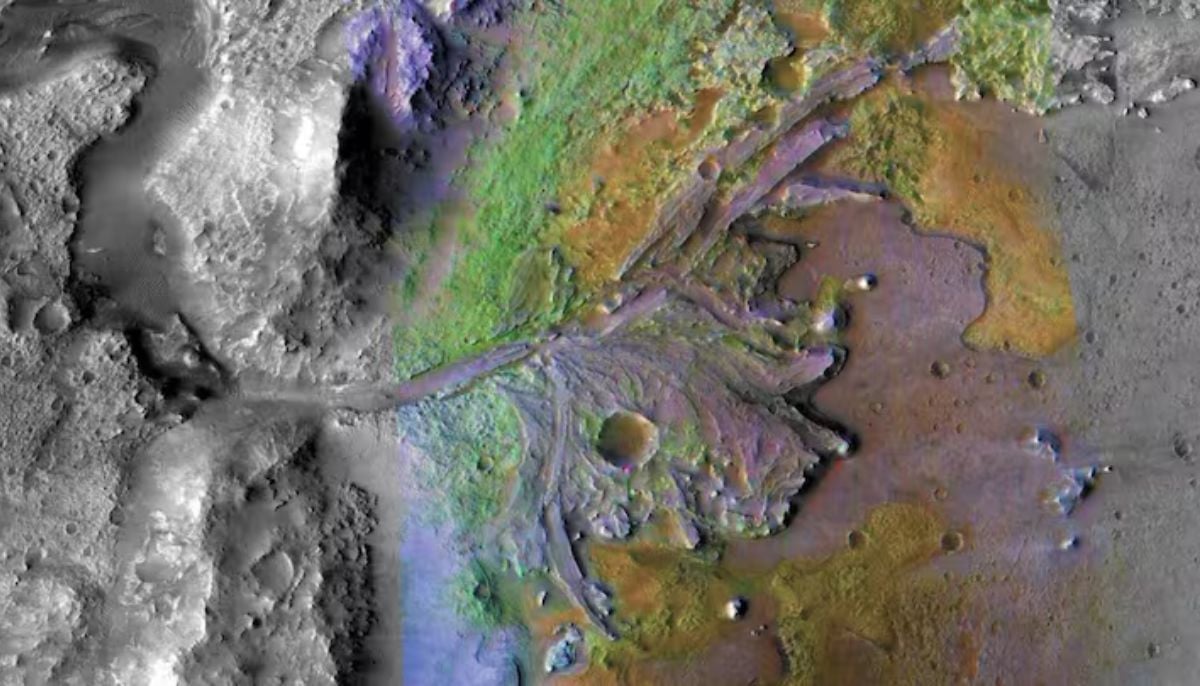
In a recent breakthrough, the rover used ground-penetrating radar to discover the subterranean remains of an ancient water delta, providing some of the most compelling evidence yet of Mars’ watery past.
Passing 6.1 kilometers through the Jezero Crater, Perseverance peered beneath the surface to reveal ancient hydrology and subsurface geology. The rover discovered clear sedimentary structures located up to 35 meters underground.
Ancient hydrology refers to evidence from an era when the Northern Hemisphere crater was a vast lake basin fed by active rivers. According to findings published in the journal Science progress, the now-buried ancient delta dates to about 3.7 to 4.2 billion years ago, demonstrating the existence of the delta relatively early in Mars’ history, forming about 4.5 billion years ago.
The revelation strengthened the theory that Mars once harbored a sustainable, watery environment capable of supporting life.
UCLA planetary scientist Emily Cardarelli, a member of the Perseverance science team and lead author of the study, said, “Based on the features mapped by RIMFAX, we believe that Jezero Crater harbored an ancient wetland environment capable of preserving the biosignature that existed before the formation of Jezero’s Western Delta.”
According to the researchers, the ancient river delta predated the Western Delta, which formed about 3.5 to 3.7 billion years ago.
Before this stunning discovery, scientists found a rock sample in Jezero Crater last year that contained a potential biosignature. The presence of biosignature suggested the existence of ancient microbial life on Mars.
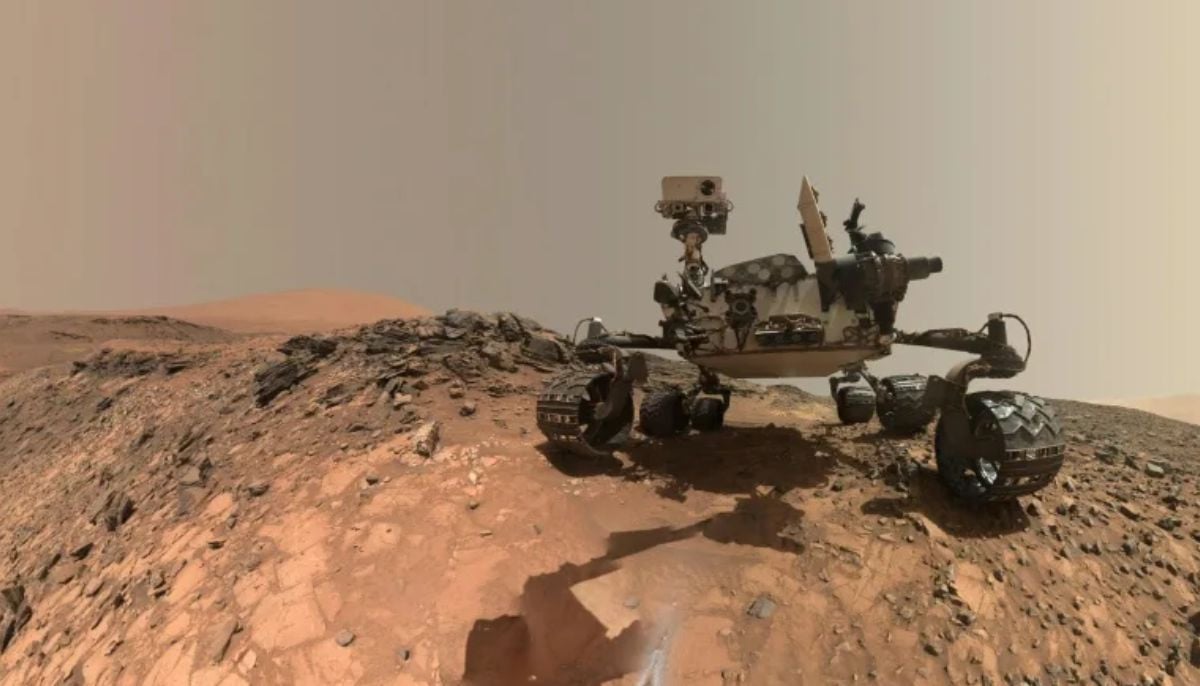
Since 2021, NASA’s Perseverance rover has been exploring the Jezero Crater and unraveling the mysteries of the Red Planet.
“Mars is diverse, and each rover mission reveals another piece of its enigmatic past and the early development of our rocky neighbor,” said Emily Cardarelli, a planetary scientist at UCLA.