Inflammation could be the reason you are depressed!
Naoise Mac Giollabhui, PhD, of Mass General Brigham’s Department of Psychiatry, teamed up with Richard Liu, PhD, to work on this topic.
With Giollabhui as lead author and Liu as senior author, they published an article in the American Journal of Psychiatrytitled “Effect of Anti-Inflammatory Treatment on the Severity of Depressive Symptoms and Anhedonia in Depressed Individuals with Increased Inflammation: Systematic Review and Meta-Analysis of Randomized Controlled Trials.”
They examined “whether anti-inflammatory medications are effective in reducing the severity of depressive symptoms and anhedonia (reduced ability to feel pleasure) in a subgroup of depressed individuals with chronic, low-grade inflammation.”
Giollabhui and Lui emphasized that the current antidepressants we have do not work for many people and that there is a need for more effective, new treatments, as more than 400 million people suffer from depression at any given time.
Over the past two decades, there has been growing evidence that some depressed people have chronic, low-grade inflammation that could be causing their symptoms.
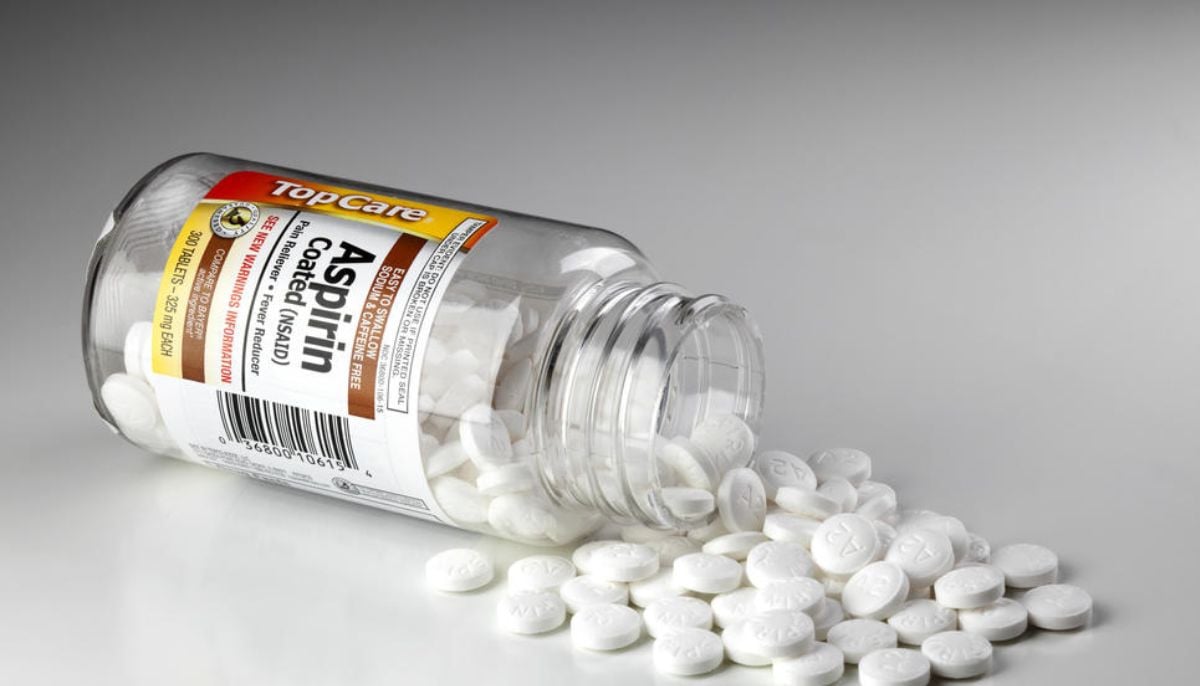
This observation of a dysregulated immune system led to clinical trials in which depressed individuals were given a variety of anti-inflammatory treatments.
However, the results of these clinical trials were mixed and it was hypothesized that the results were mixed because these trials did not focus on the subset of depressed individuals who showed immune dysfunction – if there is no inflammation to begin with, anti-inflammatory medications will not be very helpful!
“Thus, our study aimed to determine whether anti-inflammatory drugs are effective when given to depressed individuals who actively exhibit chronic, low-grade inflammation,” the two researchers said.
Explaining their research, they stated: “We identified up to 11 randomized controlled trials in which anti-inflammatory drugs were administered to up to 321 depressed individuals with elevated levels of inflammation.”
“We found that anti-inflammatory medications significantly reduced both depressive symptom severity and anhedonia at the study endpoint,” they concluded about depression caused by inflammation.