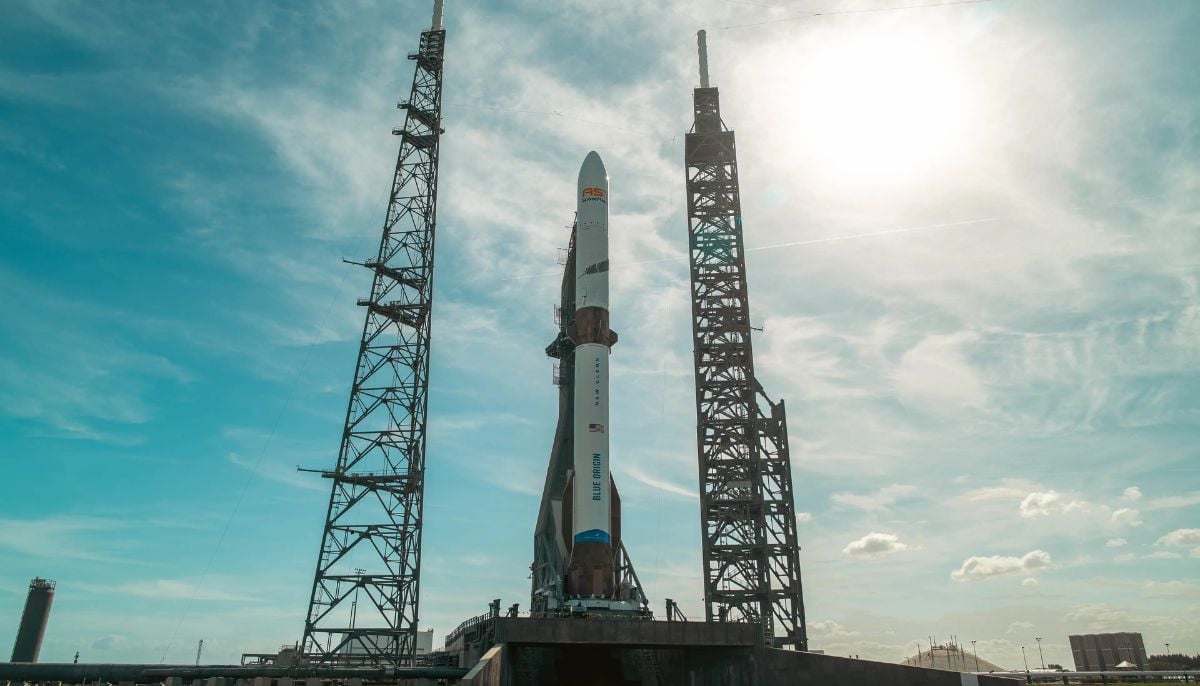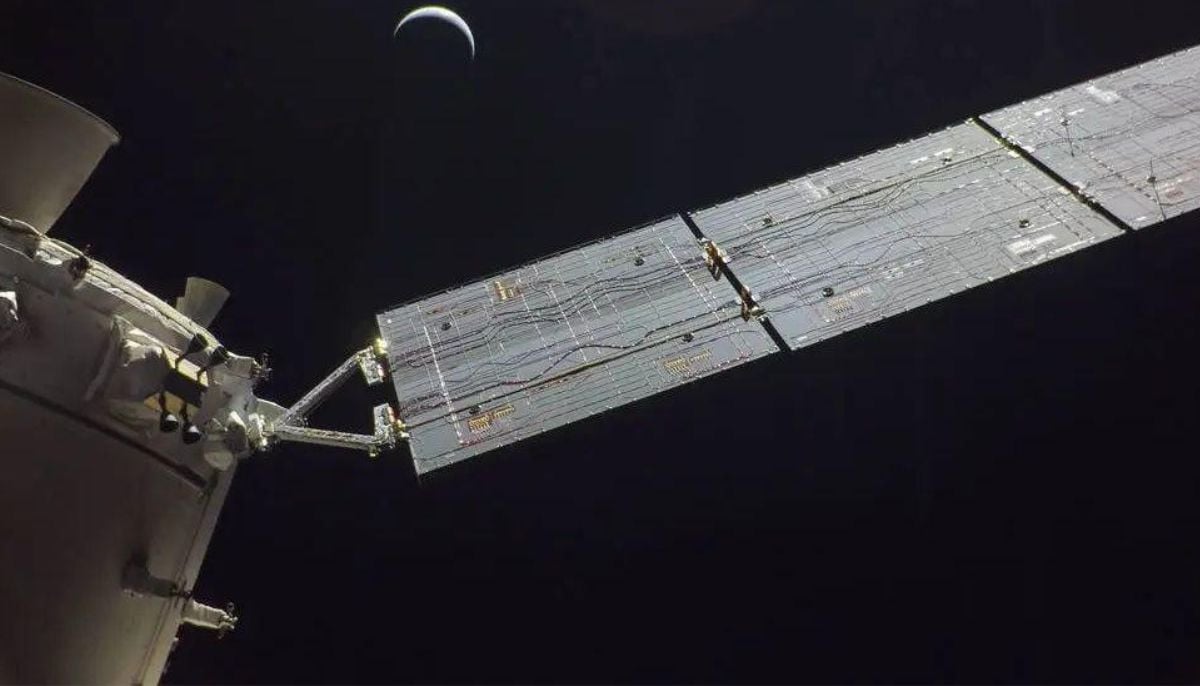
NASA has announced a major overhaul of its lunar program, adding a new test mission to the schedule to ensure Artemis astronauts can land safely on the moon. This update comes just two days after the Artemis II mission was postponed to April 2026 due to technical repairs. Under the revised plan, Artemis II will no longer be a moon landing; instead, it will serve as a docking test in low Earth orbit in 2027, paving the way for the actual moon landing during the Artemis mission in 2028.
This is the second time the launch has been postponed due to technical problems with the rocket. Artemis II will send four astronauts on a journey around the moon. Meanwhile, the actual moon landing, originally planned for the subsequent Artemis III mission, has been pushed back to Artemis IV as NASA takes a more incremental approach.
Artemis II was originally going to send four astronauts on a lunar flight; the actual moon landing was intended for the follow-up mission. However, NASA’s new back-to-basics strategy has now pushed that landing to Artemis IV in 2028.
In this regard, NASA states that the Artemis III mission will involve astronauts who will ride in the Orion spacecraft and practice docking procedures with lunar landers while in low Earth orbit. A lunar lander is a specialized vehicle designed to transport the crew of the main spacecraft to the lunar surface.
According to NASA, while landing on the moon remains a priority, the restructured Artemis III mission will provide crucial time to practice docking the Orion spacecraft with lunar landers in orbit before a human landing attempt. This strategic pivot is designed to help NASA land astronauts safely on the moon’s surface as early as 2028.
Nevertheless, this recent strategic breakthrough will be intriguing to the public as they watch NASA’s future moon plans unfold.